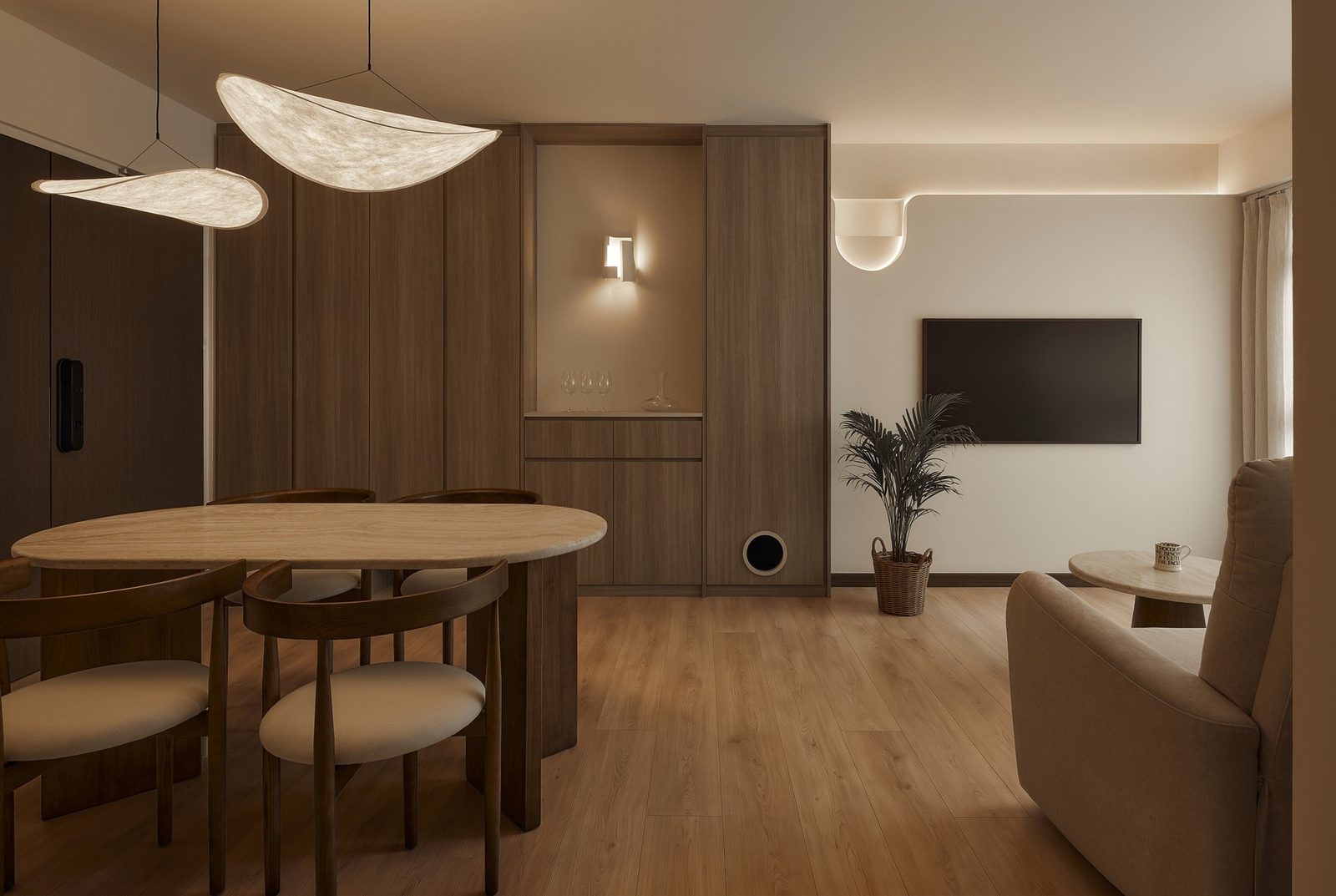
Vinyl vs engineered wood: which holds up in Singapore?
Engineered wood gets recommended as the wood floor that can handle a humid climate, the sensible step up from solid timber. It is more stable than solid wood, but its surface is still real wood, and that is the part Singapore weather works on. Here is what engineered wood actually is, where it still struggles here, and how a Hana Flooring SPC vinyl floor compares.
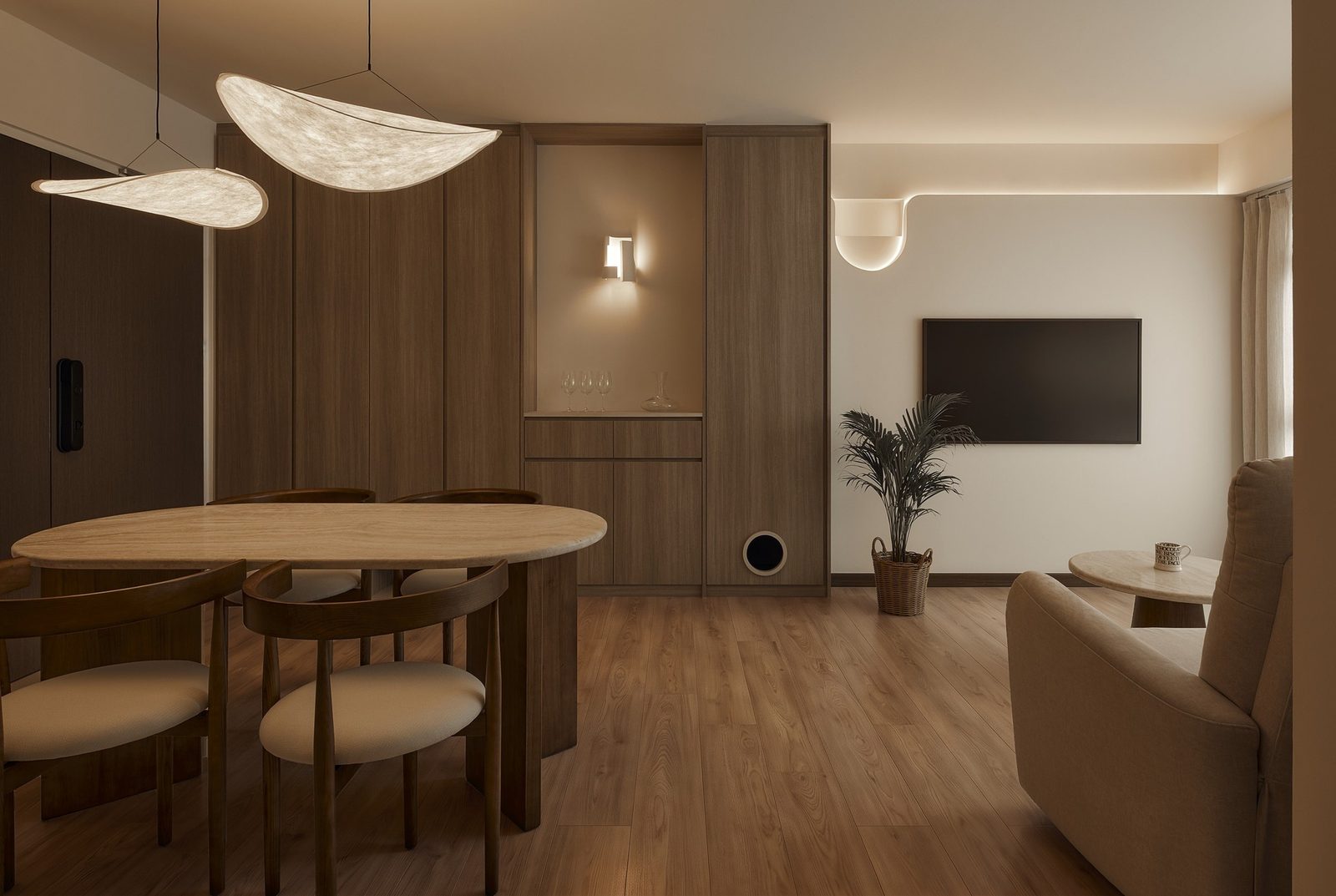
What is engineered wood flooring?
Engineered wood is a real hardwood veneer, a thin slice of genuine timber, bonded on top of a core of plywood or HDF (high-density fibreboard). The core is built in cross-layers, which makes the plank more dimensionally stable than a solid timber board.
That construction is the whole selling point: you get a genuine wood surface, but with less of the movement solid wood suffers. It is why engineered wood is pitched as the humidity-friendly way to have a real wood floor.
The catch is in the same sentence. The top layer is still real wood, so it still behaves like wood where it meets moisture, heat and water.
Where engineered wood still struggles in Singapore
Wood is hygroscopic: it takes on and gives off moisture with the air around it. Singapore's humidity runs high all year, near 82% on average and above 90% most mornings (per the Meteorological Service Singapore). A cross-layered core moves less than solid wood, but the real-wood surface still responds, so seams can open and edges can lift over time.
It is also not waterproof. A spill left to sit, a leak, or a wet-mopped floor can get into the seams and swell the core or lift the veneer, and wood floors ask for controlled humidity and periodic re-oiling or resealing to stay right (see the National Wood Flooring Association on wood and moisture). Because the veneer is thin, an engineered plank can usually be sanded back only once or twice before you reach the core.
None of that makes engineered wood a bad floor. It just means the thing people hope it solves, wood in a wet, humid climate, is only partly solved.
What SPC vinyl does differently
SPC (stone polymer composite) is a rigid, limestone-based core that is dimensionally stable and 100% waterproof all the way through, not just on the surface. It does not absorb moisture, so it holds its shape in humidity and shrugs off water where a wood surface cannot.
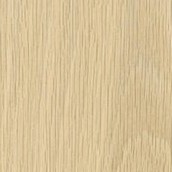
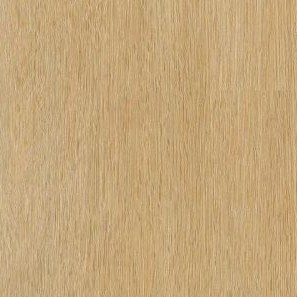
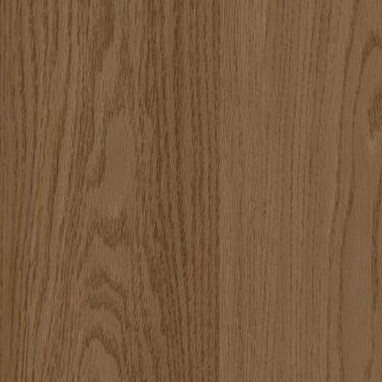
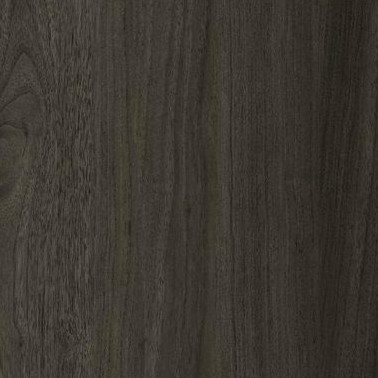
On top of that core sits a high-resolution wood décor layer and a tough, UV-cured wear layer, so it reads like timber and stays quiet underfoot, while behaving like stone. Hana Flooring's wood-look planks, from the pale Ethereal to the warm Hazel and honeyed Sierra, click together over your existing floor with no glue and no acclimatisation drama.
To be straight with you, every floor in Hana's current range is SPC vinyl, not engineered wood. If you want the genuine-timber surface, engineered wood is the real thing; if you want the wood look to stay flat and waterproof in this climate, that is what SPC is for.
Engineered wood and SPC vinyl, side by side
| Engineered wood | SPC vinyl (Hana) | |
|---|---|---|
| Surface | A real hardwood veneer: genuine wood you can sand, at least once. | A printed, embossed wood look under a tough wear layer. |
| Core | Plywood or HDF. More stable than solid wood, but wood-based. | Rigid stone-polymer composite. Mineral, dimensionally stable. |
| Water | Not waterproof. Standing water or a leak can lift the veneer or swell the core. | 100% waterproof through the core, not just the surface. |
| In 80–90% humidity | The wood surface still takes on moisture, so seams can gap and edges can lift. | Holds its shape; the core does not drink in moisture. |
| Over existing tiles | Usually wants a prepared subfloor and acclimatisation first. | Lays over sound, level tiles; the wood series clicks, glue-free. |
| Upkeep | Keep humidity controlled; re-oil or reseal; the thin veneer limits how often it sands. | Sweep and mop; no sealing, no acclimatisation. |
Which should you choose?
Engineered wood earns its place in a dry, climate-controlled, premium interior where you want a genuine wood surface and will keep the humidity in check and re-oil it over the years.
For most Singapore homes, HDB flats and condos, wet areas, rentals, or anyone who just wants a warm wood-look floor that stays put and takes water, SPC vinyl is the lower-fuss, waterproof answer. If you are comparing against solid timber rather than engineered, see SPC vs real timber; and to weigh vinyl against laminate, see vinyl vs laminate.
Sources
The factual and market claims on this page are sourced here: