Vinyl vs laminate flooring in Singapore: which is better?
Vinyl and laminate look like twins in the showroom: both click together, both lay over the subfloor, both copy the look of real wood. The difference is underneath. Laminate is built on a compressed wood-fibre core that swells when it meets water; a Hana Flooring vinyl plank sits on a rigid stone core that ignores it. In Singapore's humidity, that one layer decides everything, so start by looking inside the plank.
- 100% waterproofThrough the rigid core
- Stays flatRigid in 70–90% humidity
- Quiet & softNot hard or hollow underfoot
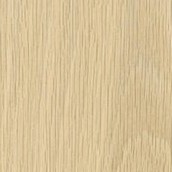
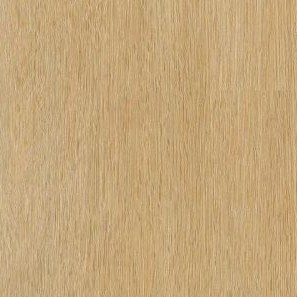
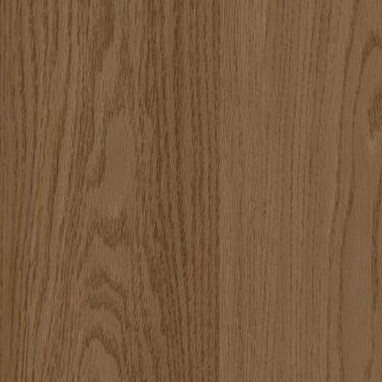
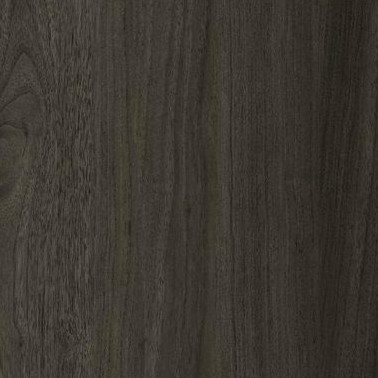
- Wood or stoneOak, walnut or micro-cement
What's inside an LVT plank
A vinyl plank is not one slab of plastic. It is a stack of layers, each doing one job. The clear coat and wear layer up top take the daily beating; the décor print gives the wood look; and the LVT (luxury vinyl tile) core does the thing laminate cannot. It is mineral, not wood: a rigid high-density mineral core that is waterproof through and through, so water has nothing to swell. That rigid-core construction is the flooring industry's own category, distinct from flexible LVT (see the Resilient Floor Covering Institute). Hover a layer above to see what each one does.
Where laminate is different
Laminate is built the same way with one big swap: its core is HDF, high-density fibreboard, which is finely compressed wood. It clicks and prints beautifully and often costs a little less, but the moment water reaches an unsealed edge or a joint, that wood core drinks it up, swells and lifts. Unlike a surface stain, a swollen board does not go back down.
In a dry, air-conditioned room that may never happen. In a Singapore kitchen, near a balcony door, or through a few years of 80% humidity, it is a real risk. That is the whole reason LVT exists.
Vinyl vs laminate, head to head
| LVT (Hana) | Laminate | |
|---|---|---|
| Core | Rigid mineral (powdered limestone). | HDF, compressed wood fibre. |
| Water & humidity | 100% waterproof through the core; stays flat in 70–90% humidity. | Water swells the wood core; edges lift and it is hard to reverse. |
| Best rooms | Anywhere: kitchens, wet areas, whole home. | Dry rooms only; avoid kitchens and bathrooms. |
| Underfoot | Soft and quiet, with a little give. | Harder, hollower, clickier underfoot. |
| Install | Välinge 5G click, glue-free. Lays straight over tiles, no hacking. | Also click, but needs a very flat, dry subfloor. |
| Look | Embossed grain, six patterns per design, no obvious repeat. | Good prints, but usually fewer patterns so the repeat shows. |
| In Singapore | Built for the climate. | Fights the climate. |
Which should you choose in Singapore?
Choose laminate only if the room is bone-dry and stays air-conditioned, and you want to save a little on a bedroom or study. For everywhere else (kitchens, living areas, wet areas, rentals, or a whole home you want to lay once and forget), LVT is the lower-fuss, waterproof answer, and it lays straight over your existing tiles with no hacking. Planning a kitchen? See our guide to the best flooring for an HDB kitchen, or how to lay vinyl over tiles without hacking.
Sources
The factual and market claims on this page are sourced here: