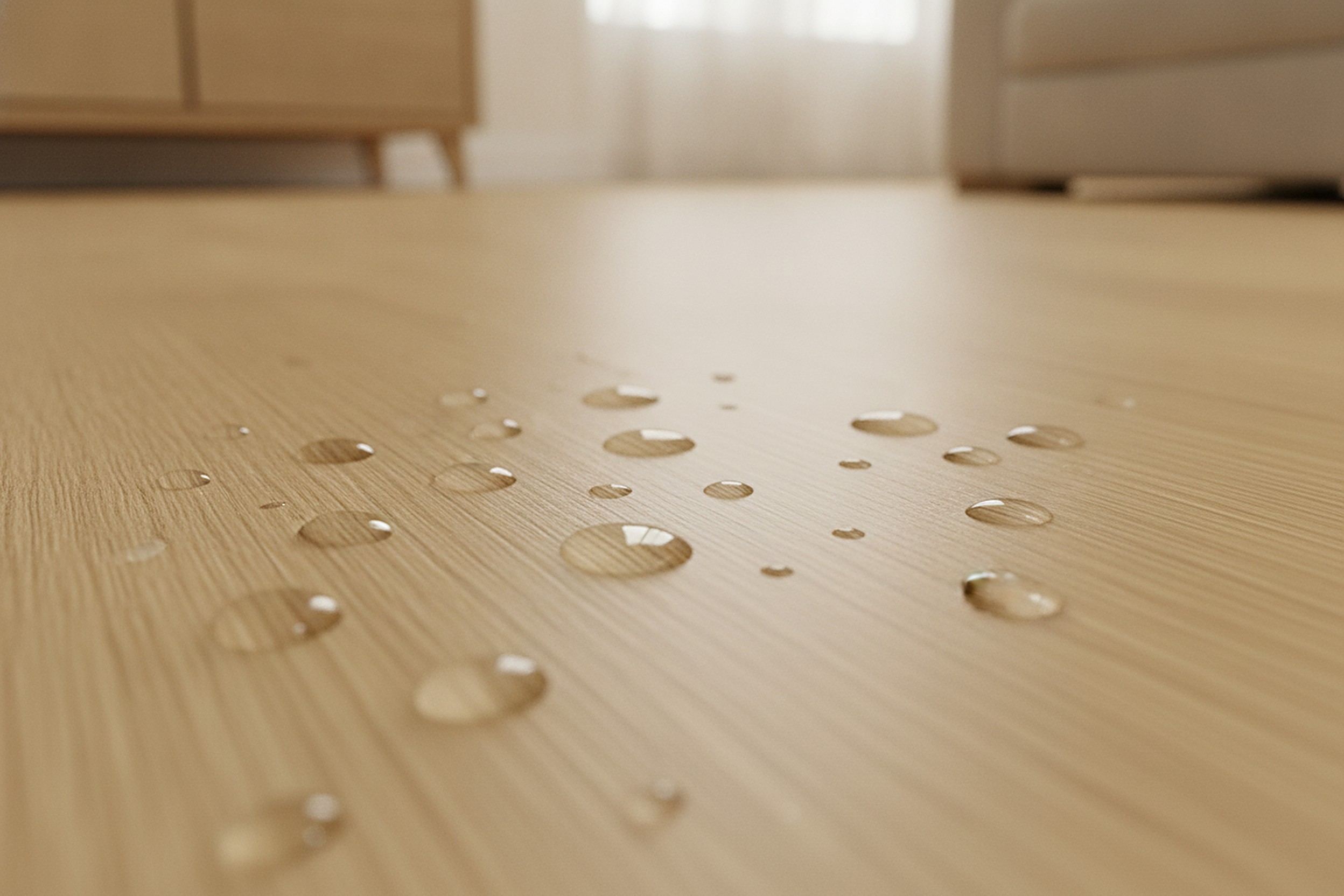
How the pattern you lay changes the whole room
Most people choose a floor by its colour and grain. But the way it is laid, straight planks, herringbone, or big stone tiles, changes how a room feels just as much. The same oak can look calm and classic laid straight, or warm and characterful in herringbone, depending only on the pattern. Here is how each Hana Flooring pattern reads, and how to pick the one that suits your home.
The pattern is a design decision, not just a colour
A floor is the biggest single surface in a room, so its layout sets the tone before anything else does. Pick the colour and grain for the mood you want, then pick the pattern for the feeling: calm and orderly, warm and characterful, or bold and architectural. It is the cheapest way to change how a space reads, because it is the same plank either way.
Straight planks: calm and easy
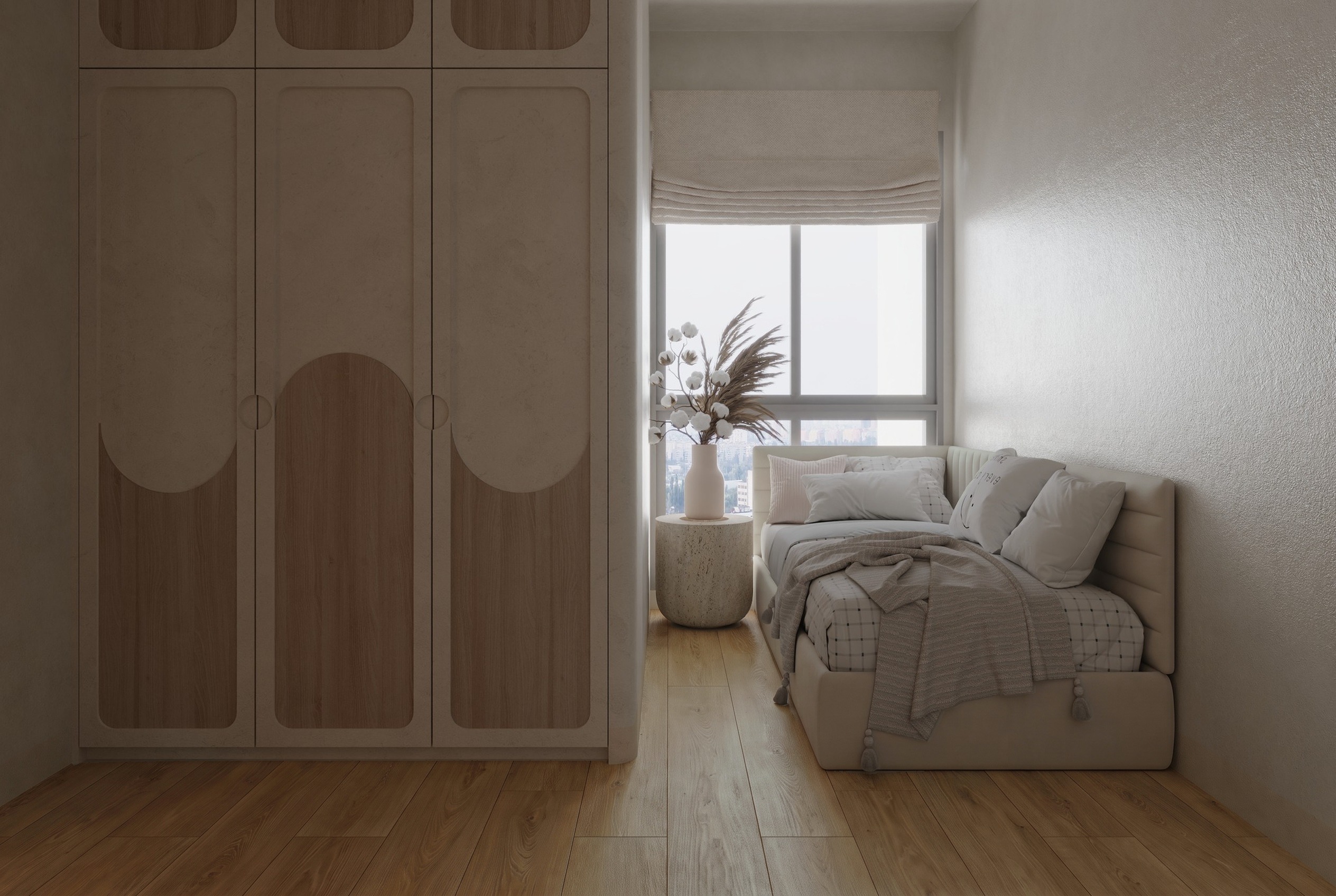
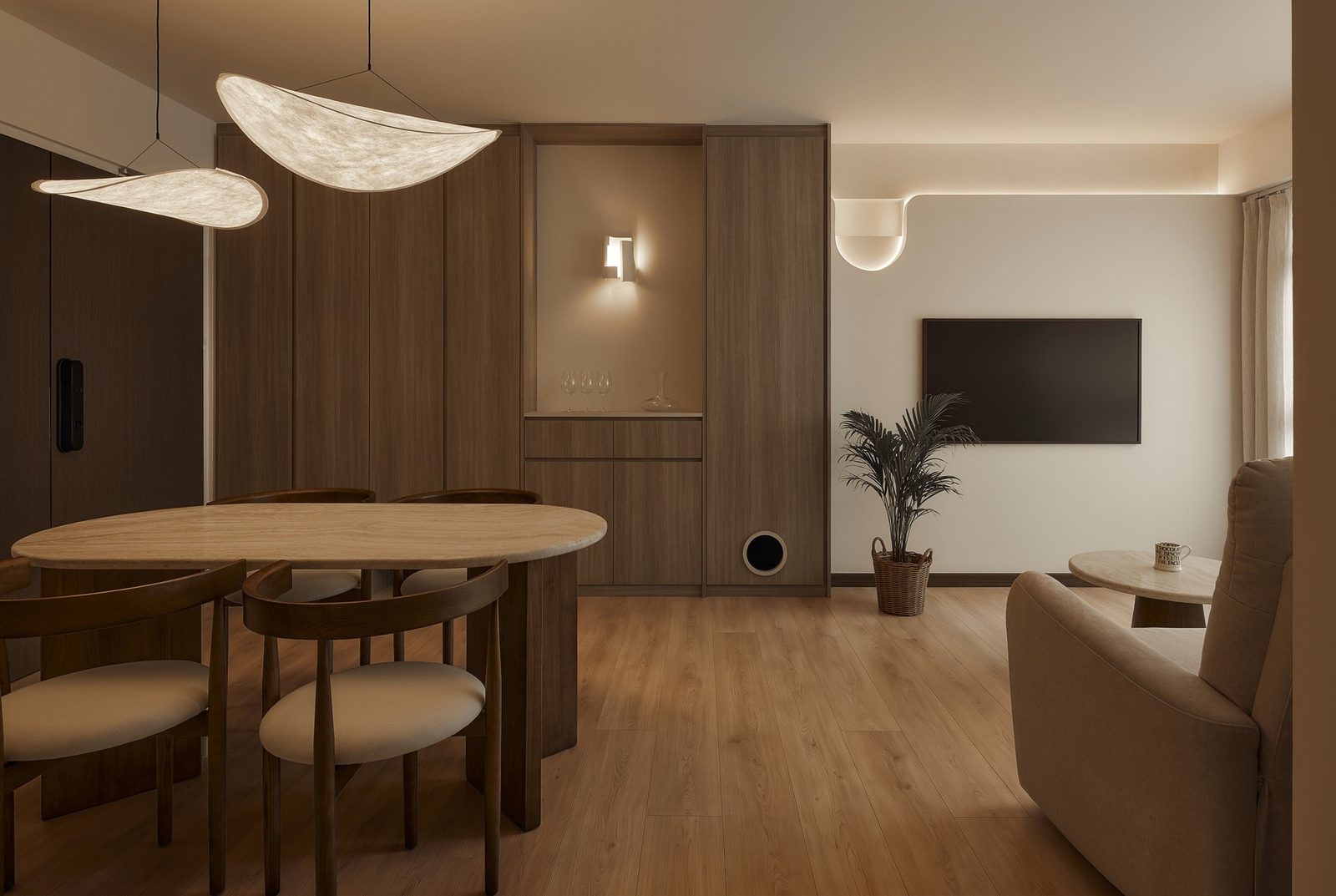
Laid in straight rows, planks read clean and unfussy, and they suit almost any room. The direction does the work. Run them along the length of a room to draw the eye down it and make it feel longer, or across a narrow space to make it feel wider. Point them toward the main window and the light rakes along the grain, which lifts the whole floor. Straight is also the quickest to lay and wastes the least material, so it is the easiest on the budget.
Herringbone: warmth with movement
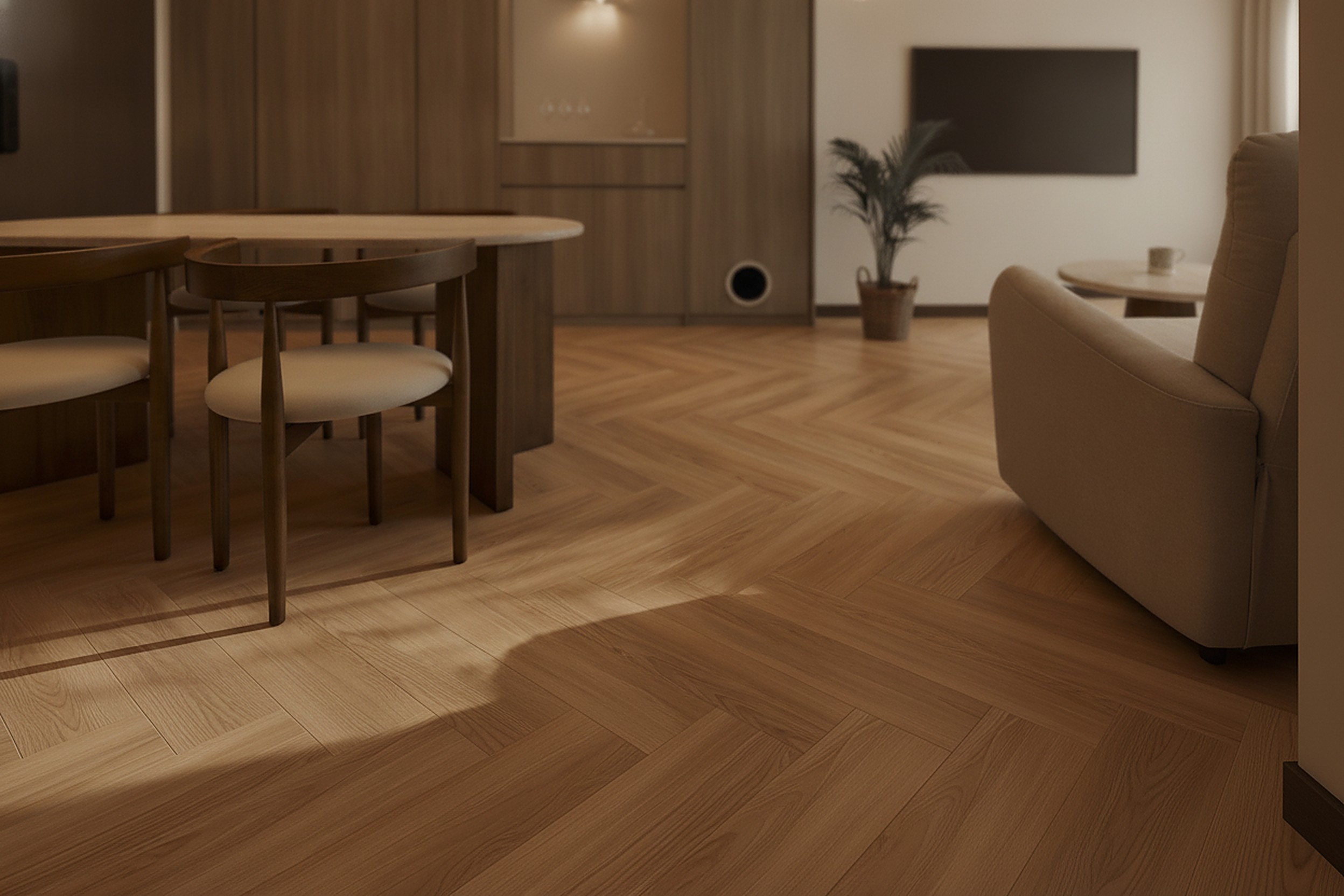
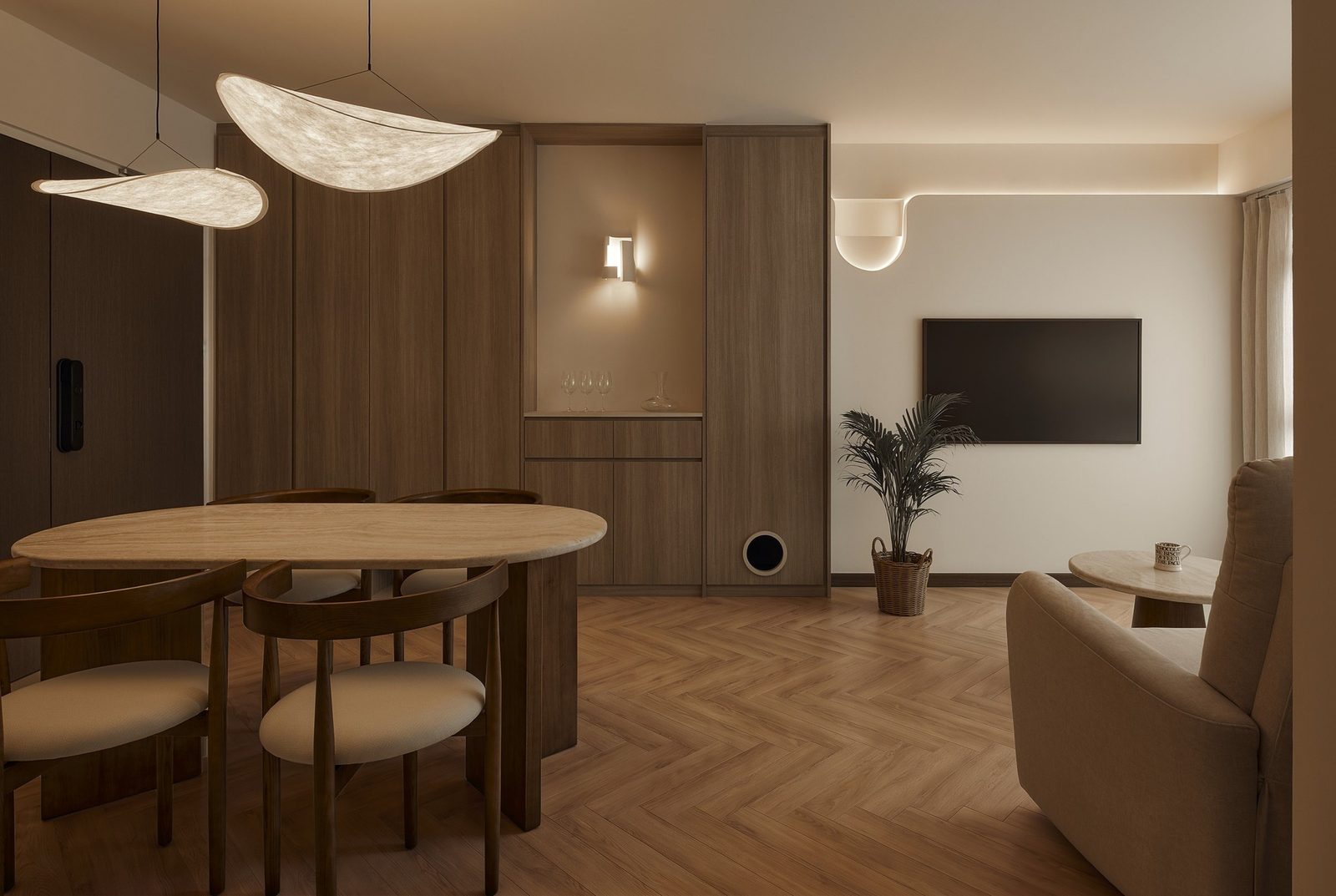
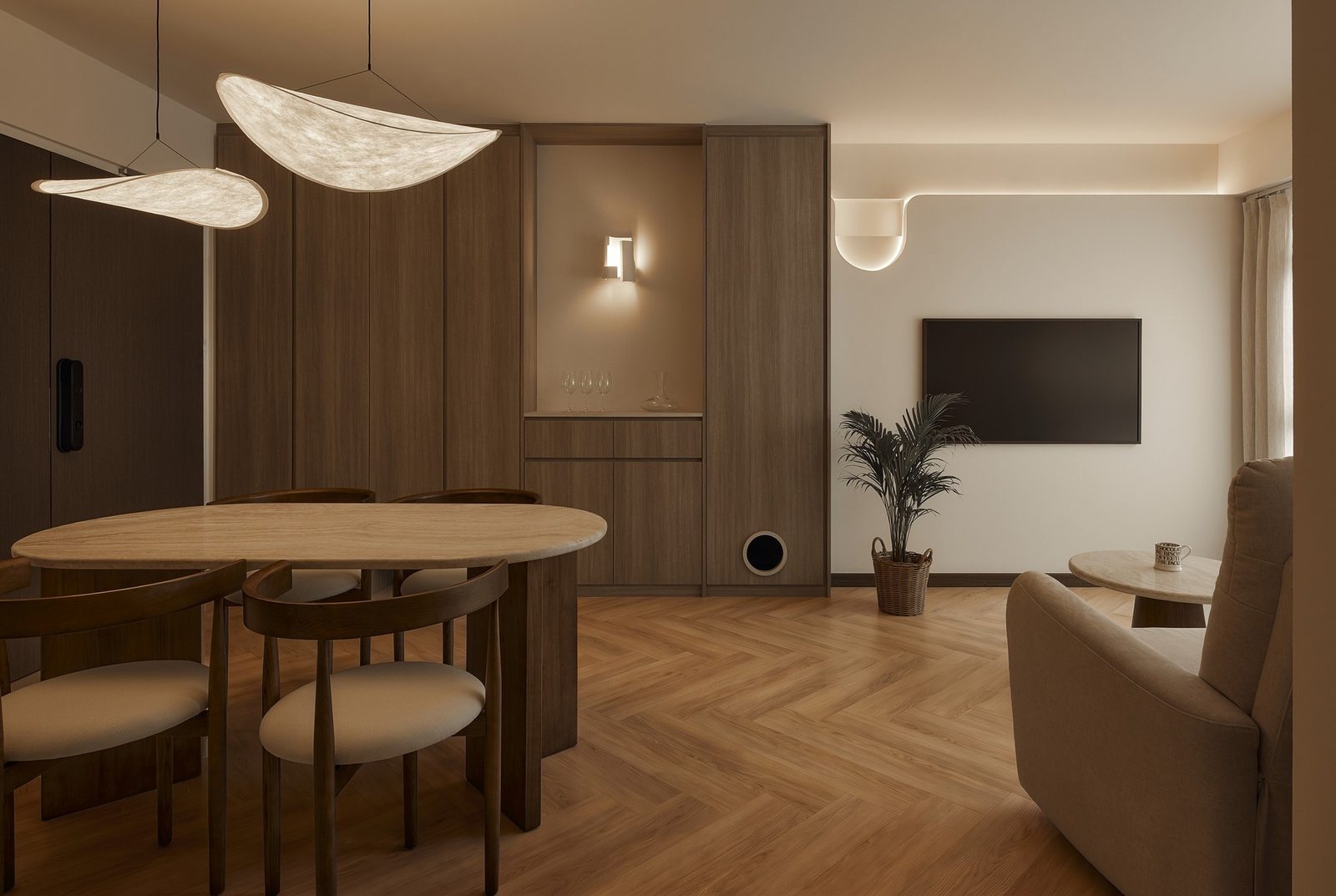
Herringbone sets each plank at a right angle to the next, so the floor gains a gentle zigzag and a sense of movement. It reads as both classic and modern, warm rather than loud, and the woven look adds a depth that can make a compact room feel richer without crowding it. Hana Flooring's herringbone uses smaller planks than the straight ranges, so it takes longer to lay and uses more offcuts, which puts it a step up in cost.
It can be laid a few ways too, from the classic single weave to a tighter double herringbone or a basketweave, each a little busier than the last.
Large stone tiles: calm and seamless
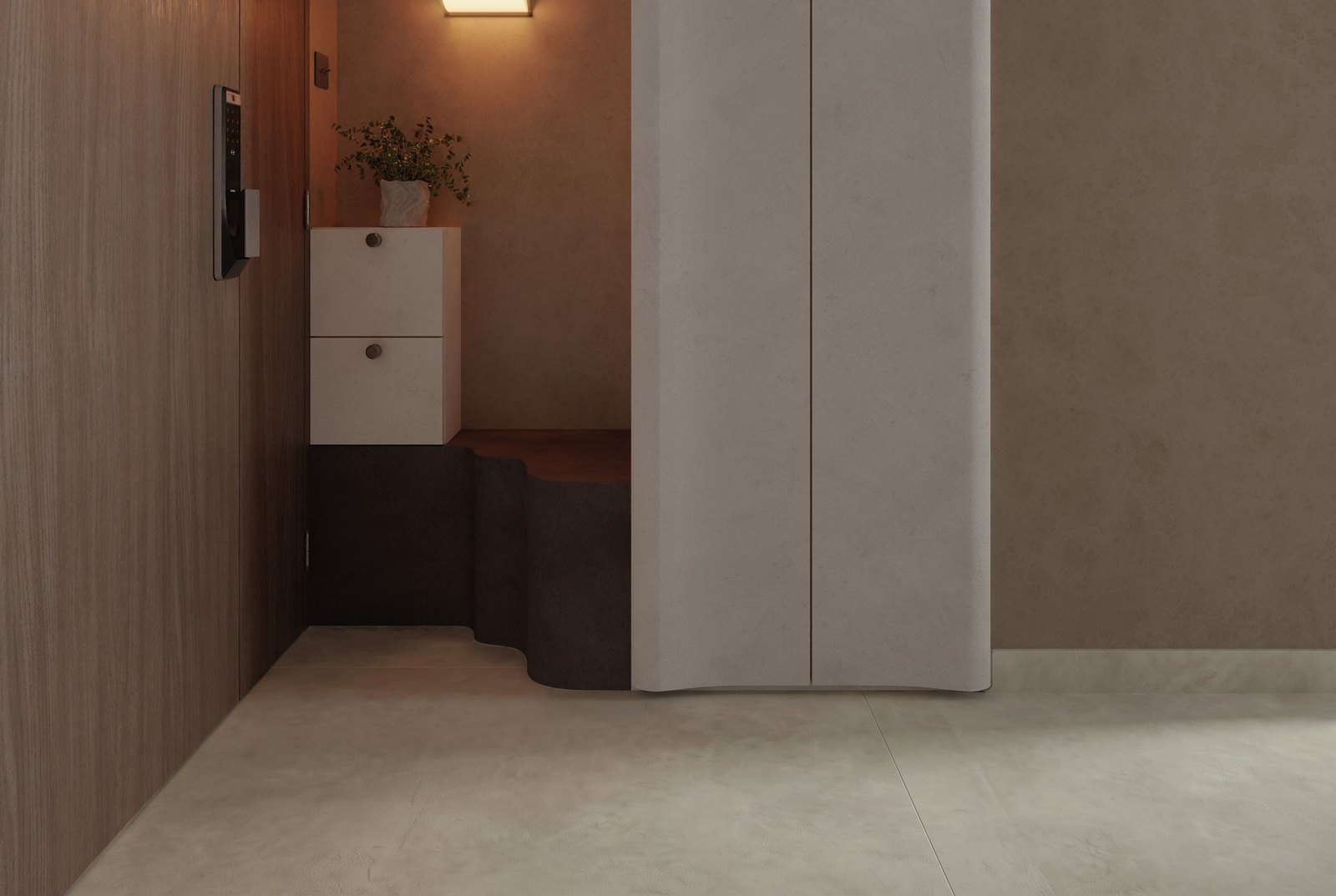
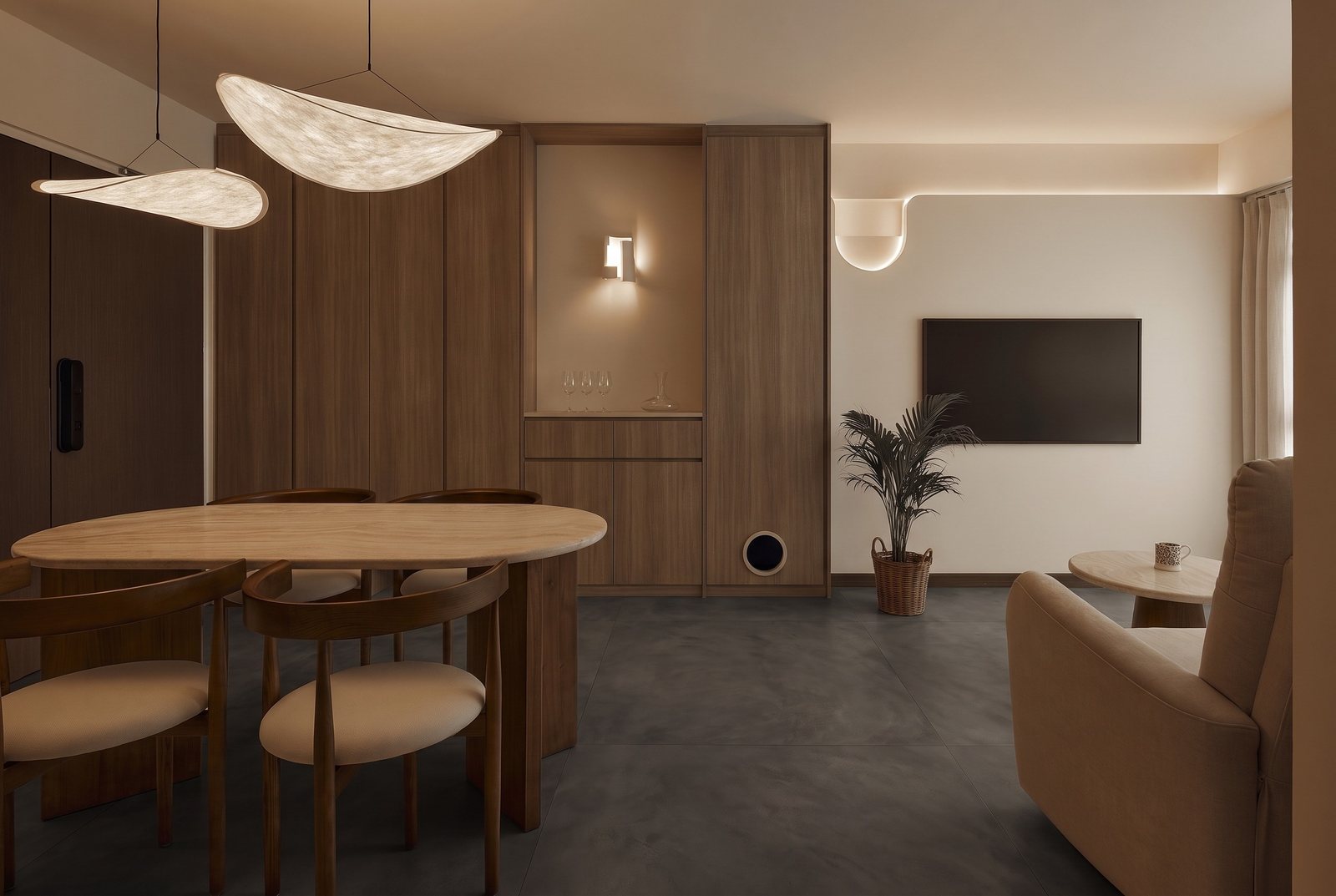
The micro-cement stone series works the other way. Instead of a pattern, big 914 mm tiles lay with barely a seam, so the floor reads as one poured surface. Fewer lines means the eye flows across it, which feels calm and makes a room feel more open, especially in an open-plan flat. It is the most minimal, contemporary look in the range.
Making a small HDB flat feel bigger
A few choices stack up in a compact home. Lighter tones reflect the light and feel more spacious. Wider planks show fewer seams and read cleaner. And running one pattern in one direction across the whole flat, rather than changing it from room to room, stops the space feeling chopped up. For most HDB rooms, straight planks run lengthwise, or a herringbone in a light-to-mid oak, is the safe, spacious choice.
What the pattern costs you
The pattern changes the price and the timeline, not just the look. Straight planks lay fastest and waste the least. Herringbone takes longer and uses more offcuts, since its planks are smaller and set at angles. So a patterned floor is worth budgeting a little more time and material for. If you'd like to know what laying it involves, our guide on laying the planks over your existing floor walks through it.