Vinyl and SPC flooring in Singapore: the complete guide
If you are re-flooring a home in Singapore, you have probably come across vinyl, and specifically the letters SPC. It is a fast-growing choice for home renovations here, and rigid SPC is the fastest-growing part of that market, for a few clear reasons: it handles the humidity, it lays over the tiles you already have, and it copies real wood and stone convincingly. This guide is the whole picture in one place, what SPC actually is, how it is built and laid, the looks it comes in, and how to choose the right one. Each part links to a deeper guide if you want to go further.
- 100% waterproofThrough the SPC core
- Stays flatRigid in 70–90% humidity
- Quiet & softNot hard or hollow underfoot
- Wood or stoneOak, walnut or micro-cement
What SPC vinyl flooring actually is
SPC stands for stone-polymer composite. It is a rigid plank or tile with a core made of finely ground limestone bound with PVC, topped by a printed layer that gives it the look of wood or stone and a clear wear layer that takes the daily traffic. The word to hold onto is rigid: unlike the soft, bendy vinyl of a decade ago, an SPC plank is solid and dimensionally stable, so it stays flat and holds its shape. Rigid SPC is now the fastest-growing part of Singapore's vinyl flooring market (Grand View Research).
That rigid core is the whole reason SPC exists. It is what lets the floor sit over an existing tiled surface, go down without a wet screed, and shrug off water that would wreck a wood-based floor. You will see it sold under a few names, luxury vinyl, LVT, rigid-core vinyl, but they are describing the same family. If the initials are tripping you up, we untangle them in SPC vs LVT.
Hana Flooring's whole range is built on this one core. Every floor we sell, the wood-look planks, the herringbone, and the micro-cement stone tiles, is rigid SPC. That rigid core is what keeps it flat in this climate and lets it lay over the floors Singapore homes already have.
Inside the plank: the layers
An SPC plank is not one slab of plastic. It is a stack of thin layers, each doing a single job. From the bottom up: a backing layer for quiet and grip; a fibreglass layer for stability; the rigid SPC core that gives the plank its strength; the printed décor layer that carries the wood grain or stone look; a clear wear layer that resists scratches and scuffs; and a UV-cured top coat that seals it all. Hover a layer above to see what each one does.
The wear layer is the number most worth knowing, because it decides how the floor holds up to years of foot traffic. Hana runs a 0.5 mm commercial-grade wear layer, on the thicker end for a home floor, over a 5 mm core. The décor layer underneath is printed and embossed, so the grain you see lines up with texture you can feel.
This layered build is also what separates vinyl from its lookalike, laminate, which swaps the stone core for compressed wood that swells when it meets water. We put the two side by side in vinyl vs laminate.
Why it suits Singapore's climate
Flooring in Singapore has to survive two things a lot of imported flooring advice ignores: humidity that sits near 82% on average and above 90% most mornings (per the Meteorological Service Singapore), and the wet, splash-prone reality of local kitchens and service yards. This is where SPC earns its keep.
Because the core is mineral, not wood, it is waterproof the whole way through. A spill, a mopped floor, or years of damp air have nothing to swell or rot, so the floor stays flat and closed at the joints instead of lifting and gapping. A real timber or laminate floor is in a constant, losing argument with that humidity. We lay out that comparison in SPC vs real timber in Singapore humidity.
This is not a claim about comfort or temperature, it is about stability. The floor holds its dimensions through the heat and damp of a Singapore year, which is exactly what a floor laid over your old tiles needs to do.
The looks, part one: the wood floors
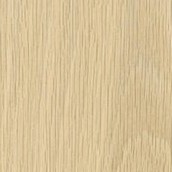
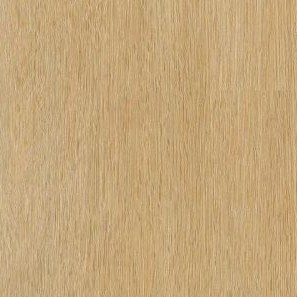
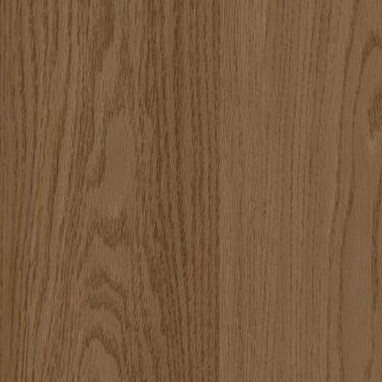
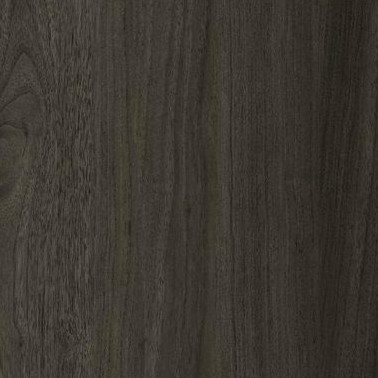
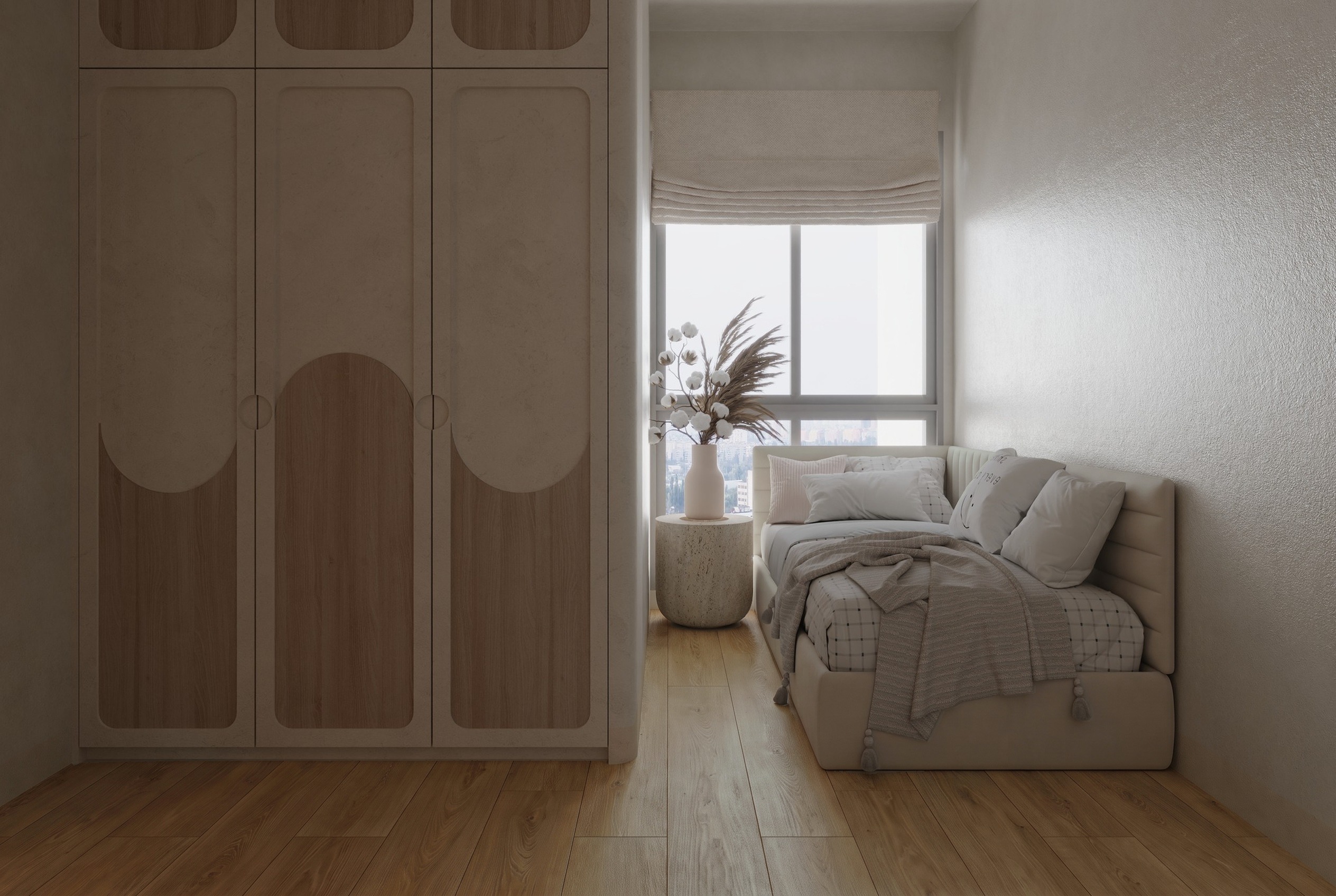
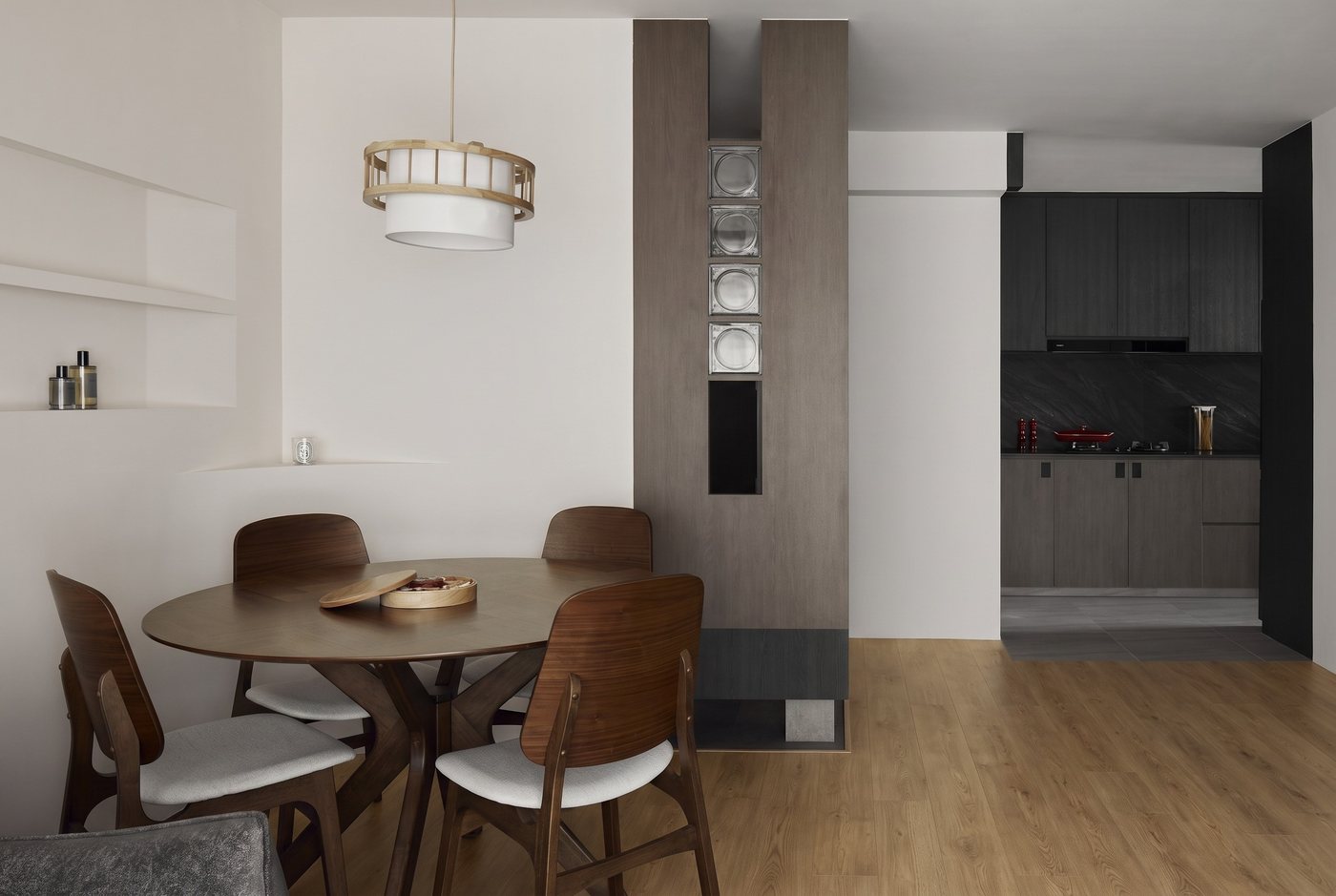
Most people come to vinyl for the wood look, and this is where the range is deepest. Hana's plank floors come in two wood families. The Oak collection runs from pale, airy tones through to warm mid-browns, with finishes like Sierra, Cloud, Country, Hazel and Ethereal. The Walnut collection goes darker and richer, with Velour, Sepia and the deep Eclipse. All of them are 180 × 1220 mm planks, a generous, current size that reads as real boards.
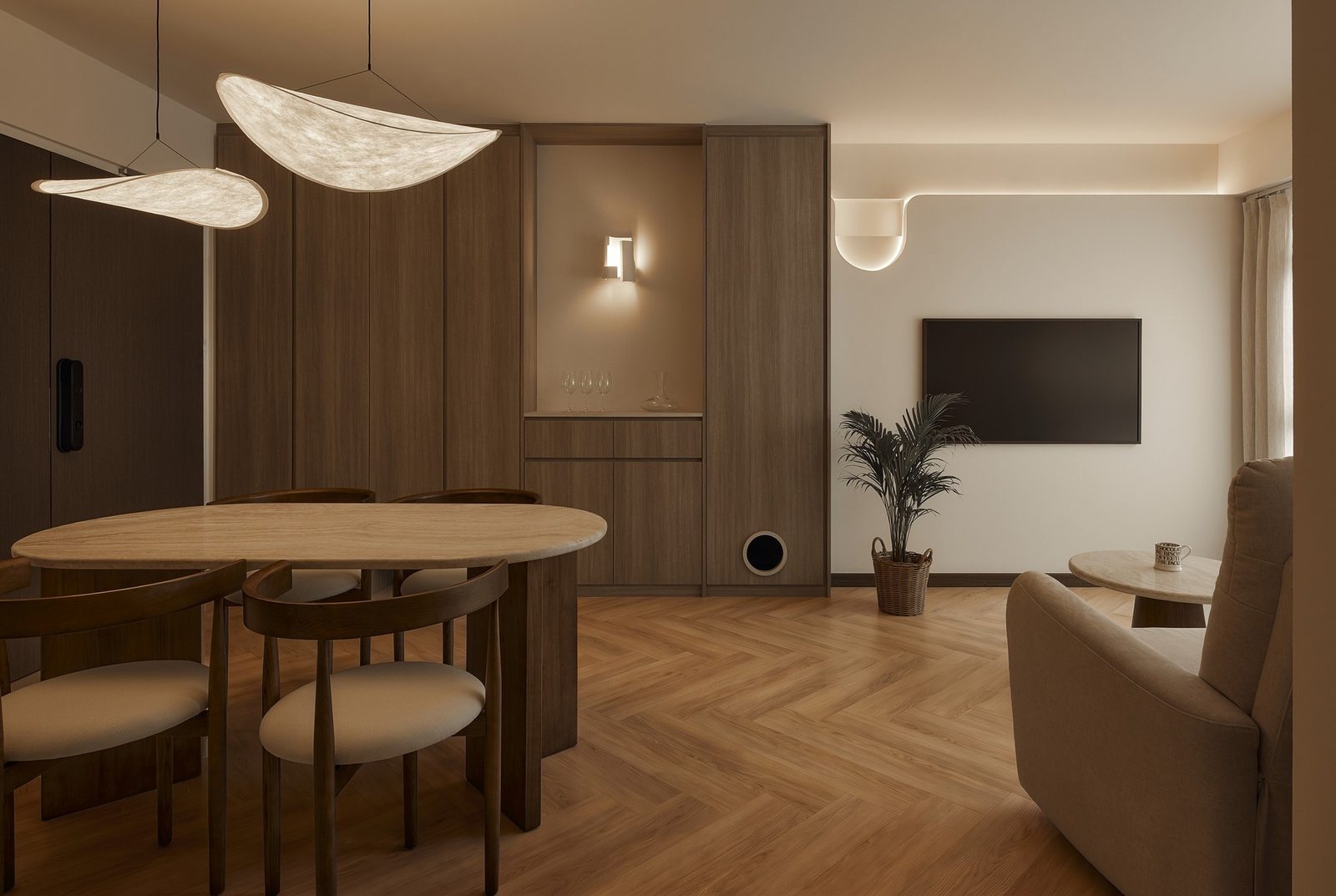
If you want the parquet look, the Heritage Herringbone collection lays the same waterproof SPC in the classic zig-zag, in shorter 122 × 610 mm planks and three tones, Ethereal Oak, Nordic Oak and Umber Walnut. It is a pattern that makes a room look considered; we cover it in herringbone vinyl flooring.
Choosing between all these tones is less about the swatch and more about your light and your room, which is a whole subject on its own. Our guide to how flooring patterns look and feel walks through it.
The looks, part two: the stone floors
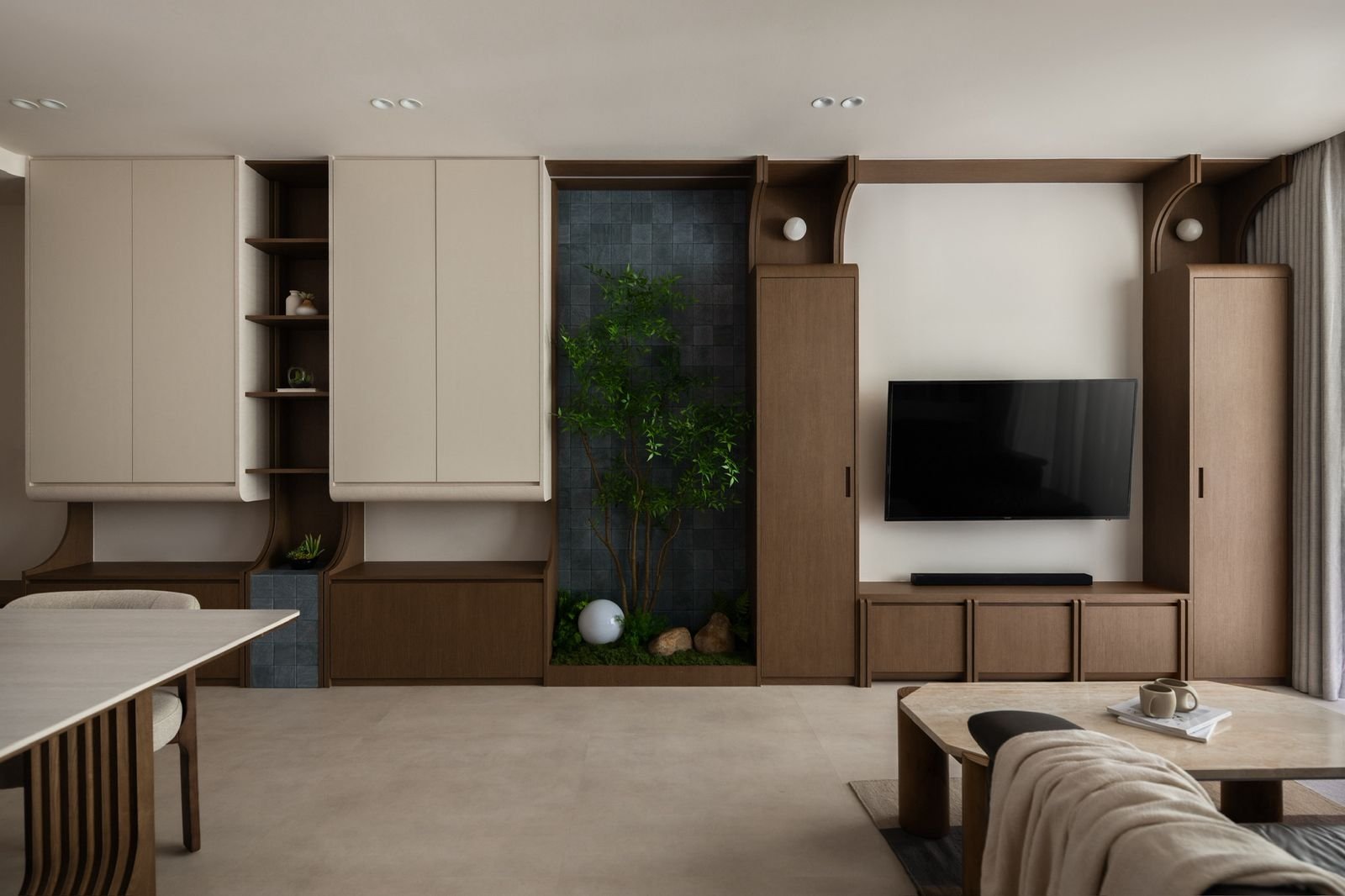
The other half of the range copies stone and poured concrete rather than wood. The Micro Cement collection gives you that soft, cloudy concrete look in large 914 × 914 mm tiles, close to the size of a real stone slab, in four tones from the pale Mist and Dune through Clay to the deep Graphite. Laid down, they read as one poured surface rather than a grid of small tiles.
Because these tiles are so large, they are laid a little differently from the planks, glued down rather than clicked, and that has its own short story: see how the micro-cement stone tiles are laid. And if you are weighing this look against the real troweled thing, we are honest about what Hana's is and is not in micro-cement vs vinyl.
How it is laid
The wood-look planks click together with the Välinge 5G locking system. You angle a plank into its neighbour, push it down, and the joint locks, no glue, no nails, no smell. The whole floor sits as one sheet over the base, with a small 3 to 7 mm expansion gap left around the edges and hidden under the skirting, so the floor has room to move as one piece.
The large micro-cement tiles are the exception. At 914 mm square they are too big for a click joint to hold flat over time, so they are bonded down with a no-added-formaldehyde adhesive. Glued, each tile sits perfectly flat and keeps that seamless surface for good. Either way, there is no wet screed, no hacking of the old floor, and, for the click planks, the floor can be lifted and re-laid later.
Laying over your existing floor, no hacking
The single biggest reason SPC took over renovations here is that in most homes it lays straight over your existing tiles. There is no hacking, no debris to cart out, no screed to pour and cure, and none of the noise and mess that turns a floor change into a two-week ordeal. The rigid core is what makes this possible: it bridges minor unevenness and does not telegraph every grout line beneath it.
It is not quite magic. The existing floor has to be sound, level and dry first, and any loose or hollow tiles are dealt with before the new floor goes down. For the glued micro-cement tiles we prepare the surface a little more thoroughly, because the adhesive needs a clean, even base to bond to. The full method, and when a floor does need more prep, is in laying vinyl over tiles without hacking.
Room by room: kitchens, BTOs and the whole home
Because it is waterproof through the core, SPC goes everywhere in the home, including the rooms other floors avoid. Kitchens are the obvious case: a floor that laughs off spills and a mopped clean is worth a lot in a Singapore kitchen, and it means one continuous floor can run from the living room into the kitchen without a change of material. We cover the specifics in the best flooring for an HDB kitchen.
New BTO owners have one extra decision to get right early. At unit selection, HDB's Optional Component Scheme asks whether you want floor tiles or a bare screed. If you plan to lay a floor like SPC over the top, taking the tiles gives you a ready, level base to lay over, with no need to build one up from raw screed. We explain the timing and the trade-off in vinyl flooring for an HDB BTO.
For a resale flat or a condo, the same logic makes SPC the low-drama way to redo a whole home at once: one floor, laid over what is there, room to room.
Choosing your floor: tone, light and pattern
Once you have settled on SPC, the real decision is which one, and that is a question of taste and light rather than spec. A few rules of thumb help. In a compact or lower-lit flat, a paler oak keeps the room feeling open; save the deep walnuts and Graphite for larger or well-lit spaces that can carry them. A busy pattern like herringbone wants simpler walls and furniture around it. And a floor always looks different at home than under showroom lights, so it is worth seeing a tone in your own space.
If you are after the pared-back, concrete-and-oak look many Singapore homes are going for, we break down how to get it in the warm-minimalist micro-cement look. And to see any tone in a room before you commit, try the flooring visualiser.
How to decide, in short
For most Singapore homes the answer is genuinely simple. SPC vinyl gives you a real wood or stone look on a floor that is waterproof, stays flat in the humidity, and lays over your existing tiles in days with no hacking. Choose a wood plank or herringbone for warmth and grain, or a micro-cement tile for the concrete look; pick a lighter tone for smaller rooms and a deeper one for larger, brighter ones; and see it in your own space before you commit.
When you are ready, the fastest way to get certain is to hold the real thing. See the full range, or book a showroom visit and we will talk you through the floor that suits your home, your light and the way you live.