Optional Component Scheme (OCS) floor tiles, opt in or out?
A new BTO is a blank slate, and the flooring decision starts earlier than most people expect: at your flat booking appointment. HDB will ask whether you want the Optional Component Scheme (OCS), the floor tiles laid for you, or a bare floor you finish yourself. If you are planning to lay Hana Flooring, that one choice makes the whole job cleaner and cheaper.
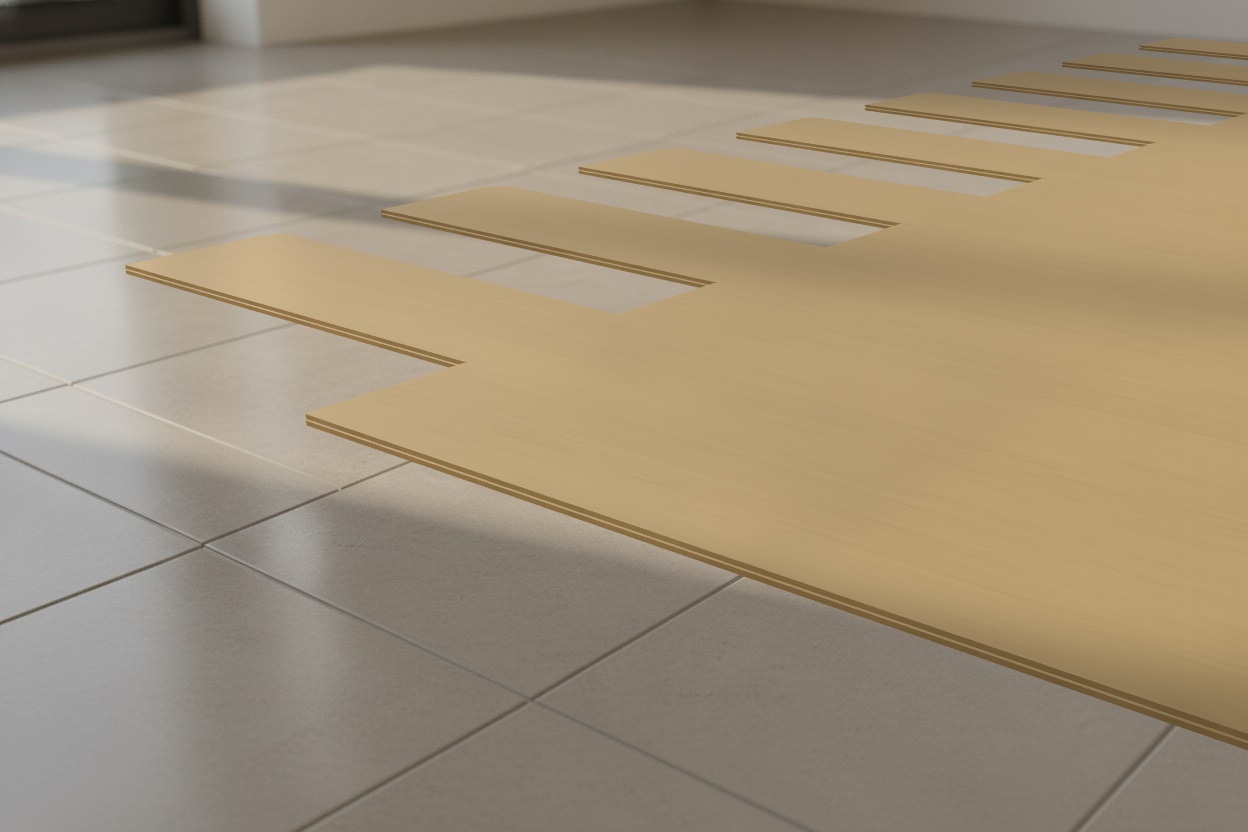
- No hackingStraight over your OCS tiles
- Soft and quietNot hard like the bare tile
- 100% waterproofThrough the rigid core
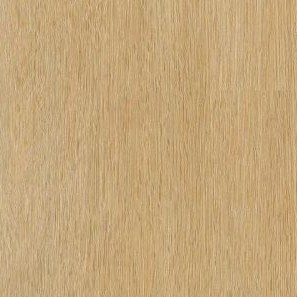
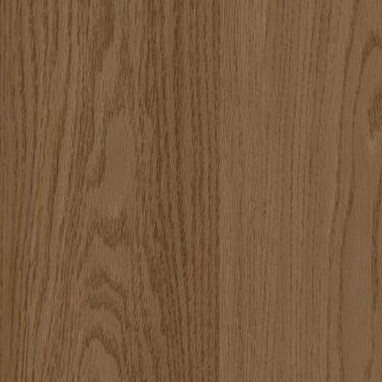
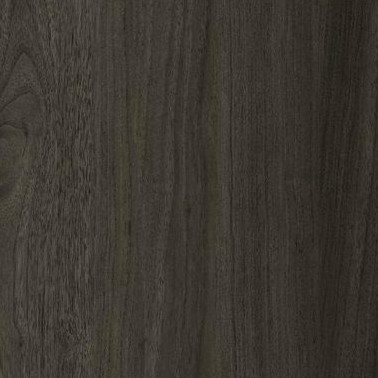
- Wood or stoneOak, walnut or micro-cement
What is the Optional Component Scheme (OCS)?
The Optional Component Scheme (OCS) is HDB's way of handing your flat over closer to move-in ready. For a fee added to your flat price, HDB installs the floor finishes, internal doors and sanitary fittings before you collect the keys, so there is less to fit out yourself. You decide whether to take it at your flat booking appointment.
For flooring, opting in means your living and dining (and the dry kitchen) are laid with polished porcelain tiles, and your bedrooms with vinyl strips. Opt out and those areas come bare, without a floor screed, for you to build up and finish yourself. The kitchen, bathrooms and service yard come floored either way. It is a one-time choice: you can only opt in at the booking appointment, not later. The official details are on HDB's flat-booking page.
If you are laying vinyl, keep the tiles
It is tempting to opt out and save, on the logic that you are covering the floor anyway. If you want a floor from Hana Flooring, that instinct is usually the wrong one.
Keep the OCS tiles and you start with a flat, finished, level base at no extra work. Hana LVT (luxury vinyl tile) lays straight over level tiles, so the floor goes down fast over a base that is already there. (Only where the grout lines are wide or the tiles are bevel-edged do we self-level them first.)
Opt out instead and there is no ready floor to lay onto. Before any vinyl can go down you have to build the base up first, a cement screed and then a self-levelling layer, which is more cost, more trades and more waiting. Keeping the tiles skips all of that.
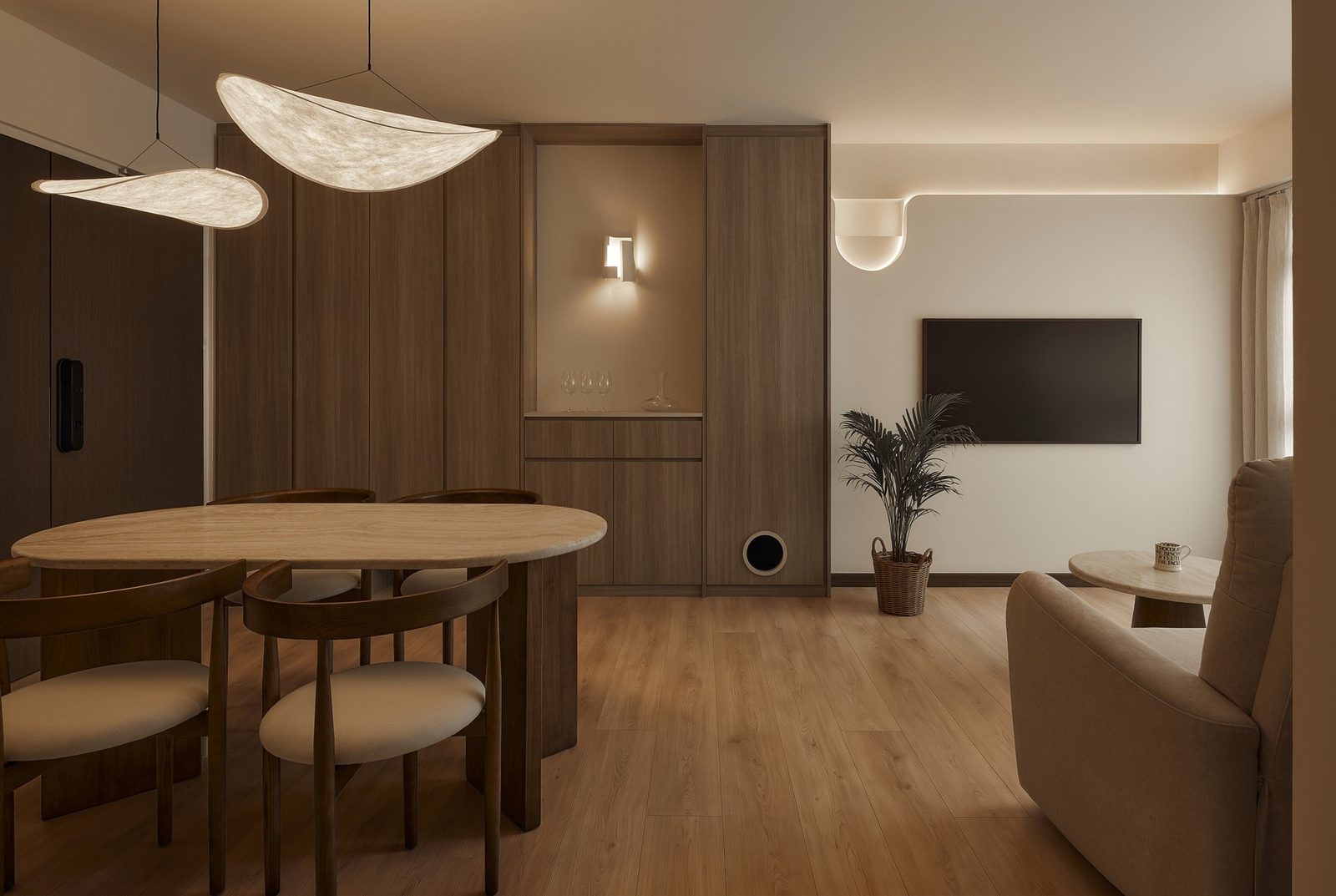
And over those kept tiles, Hana Flooring gives you what the bare porcelain cannot: the warmth of a real wood or stone look, a surface that is soft and quiet to walk on, and one that is 100% waterproof through the core. Because it is laid over the tiles rather than cemented in, it is also yours to change later: you can lift it and lay a fresh Hana design over the same tiles, with no hacking and little mess, which a tiled floor can never offer.
Wood or stone for a new flat
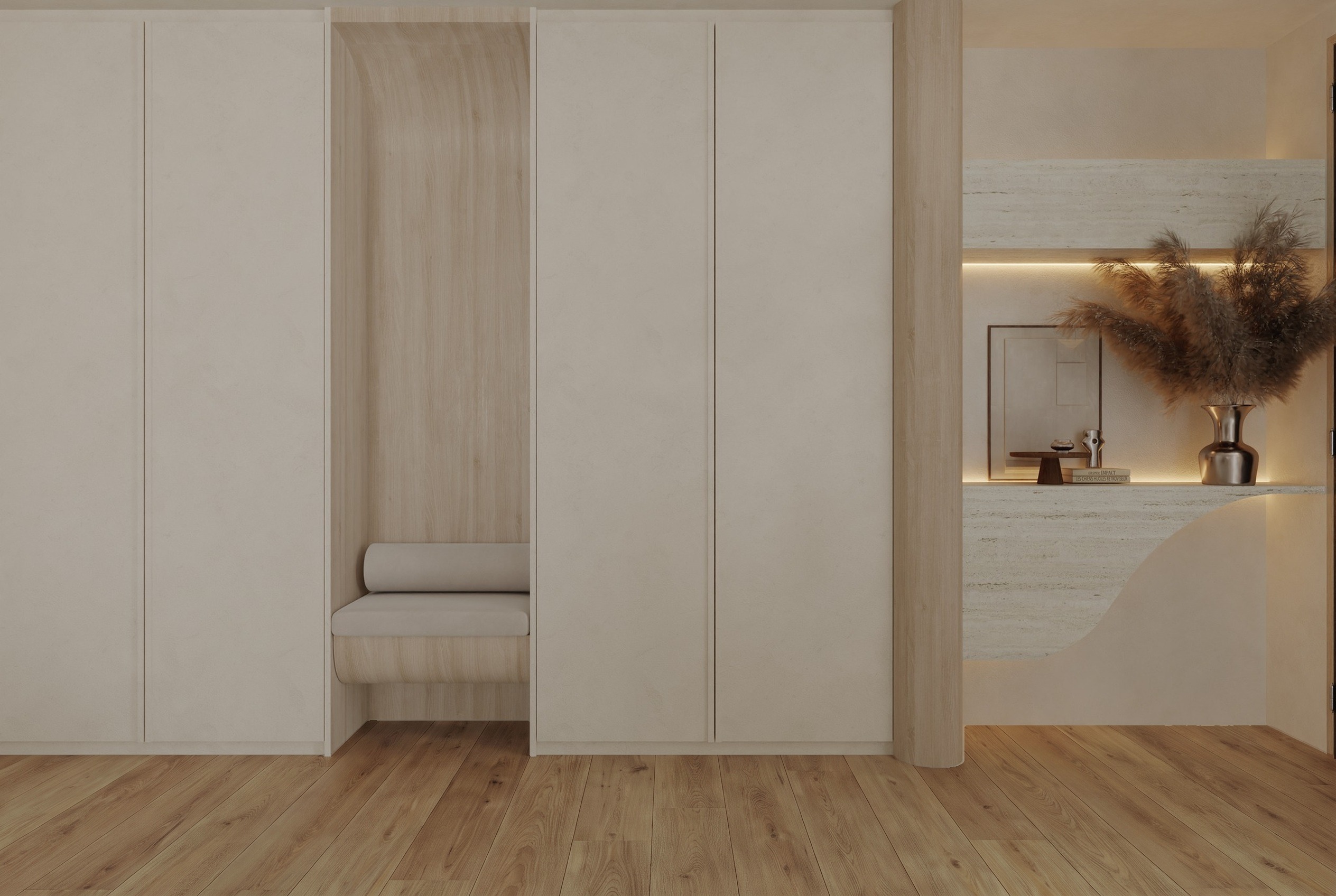
Once the base is sorted, the rest is a matter of look. Hana comes in warm oak and walnut wood tones for a timber feel, and seamless micro-cement stone tones for a pared-back, minimalist finish. All of it is the same rigid, waterproof LVT underneath, so you can mix looks room to room without mixing performance.
See the full range, in real rooms, on our range page, or read why LVT beats real timber in the humidity if you are weighing vinyl against wood.
When to lay it during your renovation
Lay the floor after the dusty, wet trades are done, painting, carpentry and any tiling work, so the finished surface is not walked over or damaged. Because the wood-look planks click together over your existing tiles, a whole flat usually goes down in a day or two, with no glue to air out and no screed to wait on.
Planning the kitchen too? See our guide to the best flooring for an HDB kitchen.
Sources
The OCS details on this page come from HDB, cross-checked against Singapore renovation guides: