SPC vinyl vs real timber flooring in Singapore's humidity
In Singapore's year-round heat and humidity, the floor that looks perfect in the showroom can cup, gap or swell a year later if it's the wrong material. Here is the real difference between timber and SPC vinyl, and how Hana Flooring gives you the warm wood look without the movement.

Why does real wood warp in the tropics?
Real timber and engineered-wood floors are hygroscopic, so they take on and give off moisture with the air around them. Singapore's humidity runs high all year, near 82% on average and above 90% most mornings (per the Meteorological Service Singapore), and for timber that means constant expansion and contraction, which shows up as cupping, gaps between boards, creaks and lifting edges.
They also ask a lot of you: acclimatisation before laying, controlled humidity, periodic resealing or oiling, and real caution near kitchens and wet areas where a leak can ruin a plank for good.
What is SPC vinyl, and why doesn't it move?
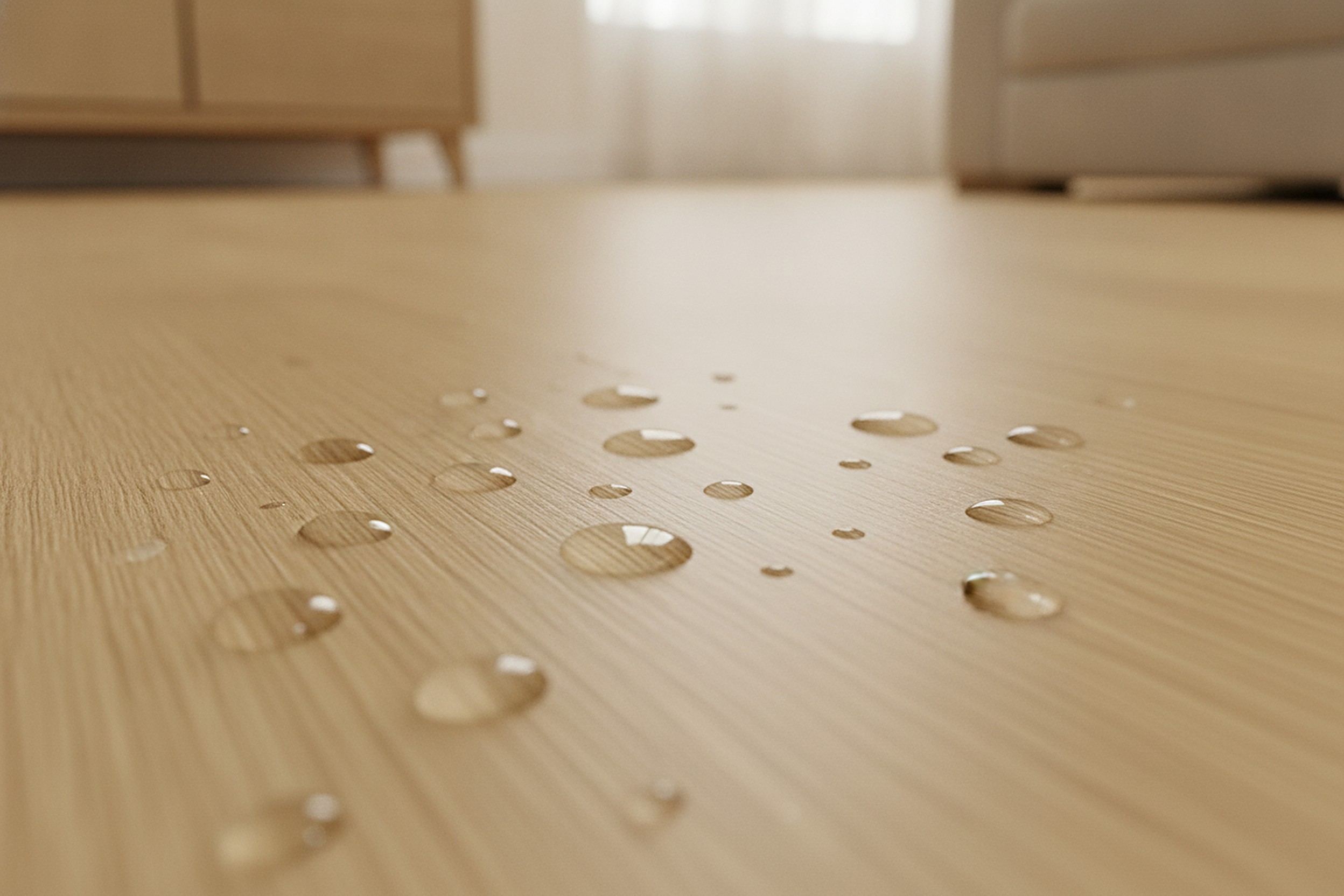
SPC stands for stone polymer composite, a rigid, limestone-based core that is dimensionally stable and 100% waterproof all the way through. It doesn't drink in moisture, so it won't swell, cup or gap the way timber does in the humidity.
On top of that core sits a high-resolution wood décor layer and a tough, UV-cured wear layer, with a moisture-resistant backing underneath. The result looks like timber and behaves like stone.

Can you tell it from real wood?
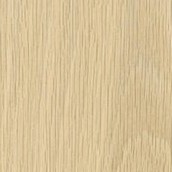
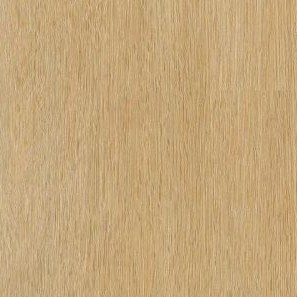
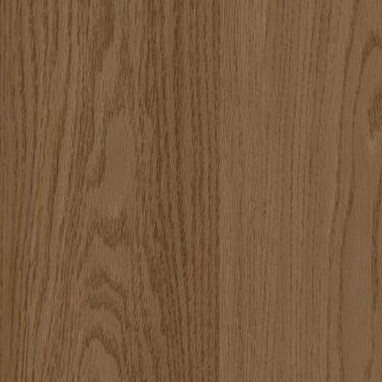
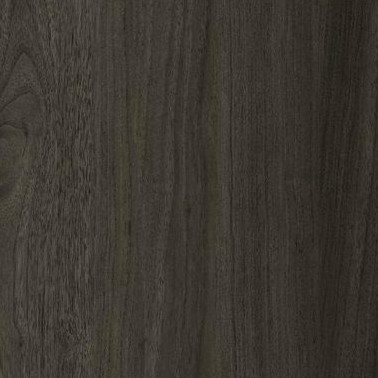
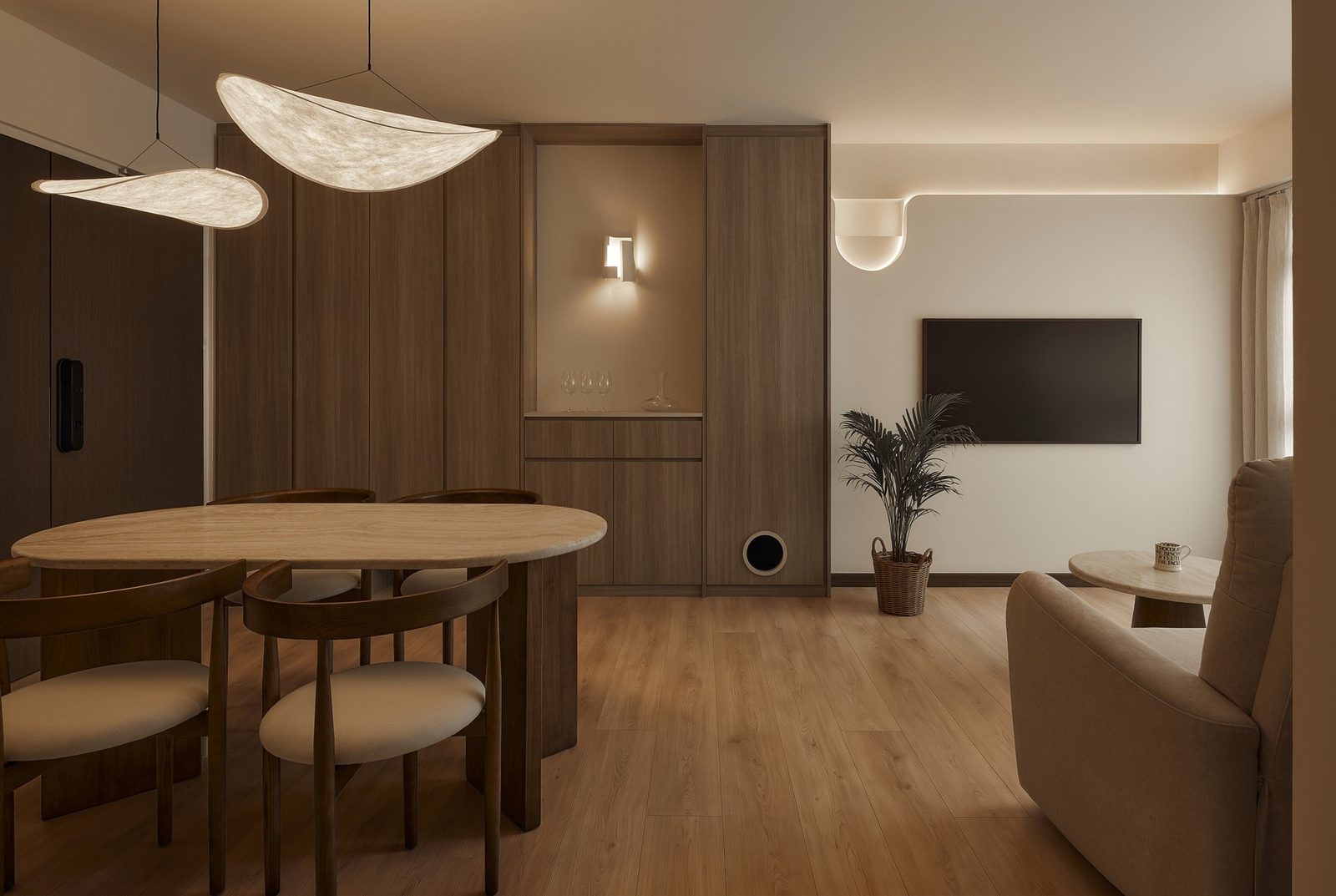
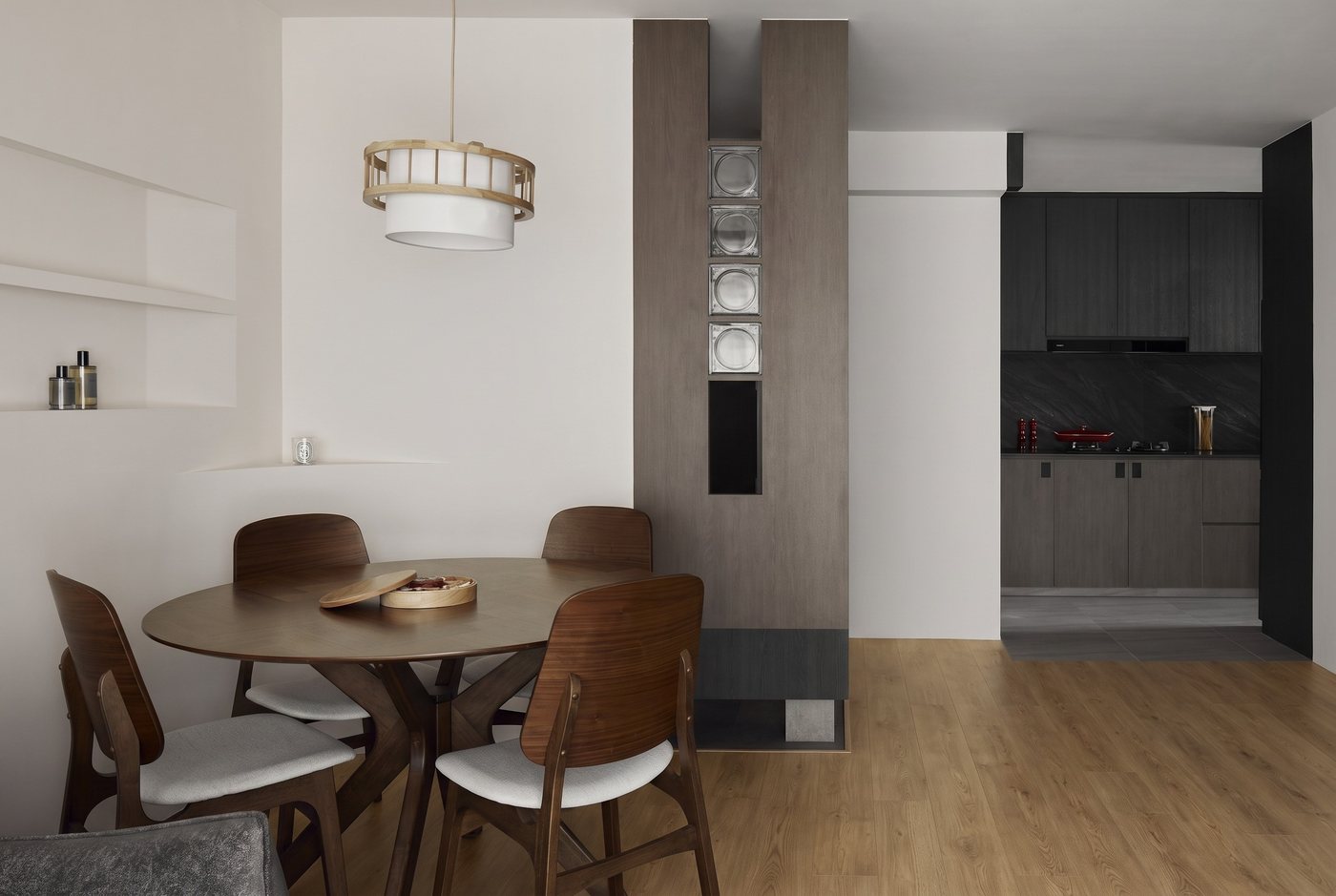
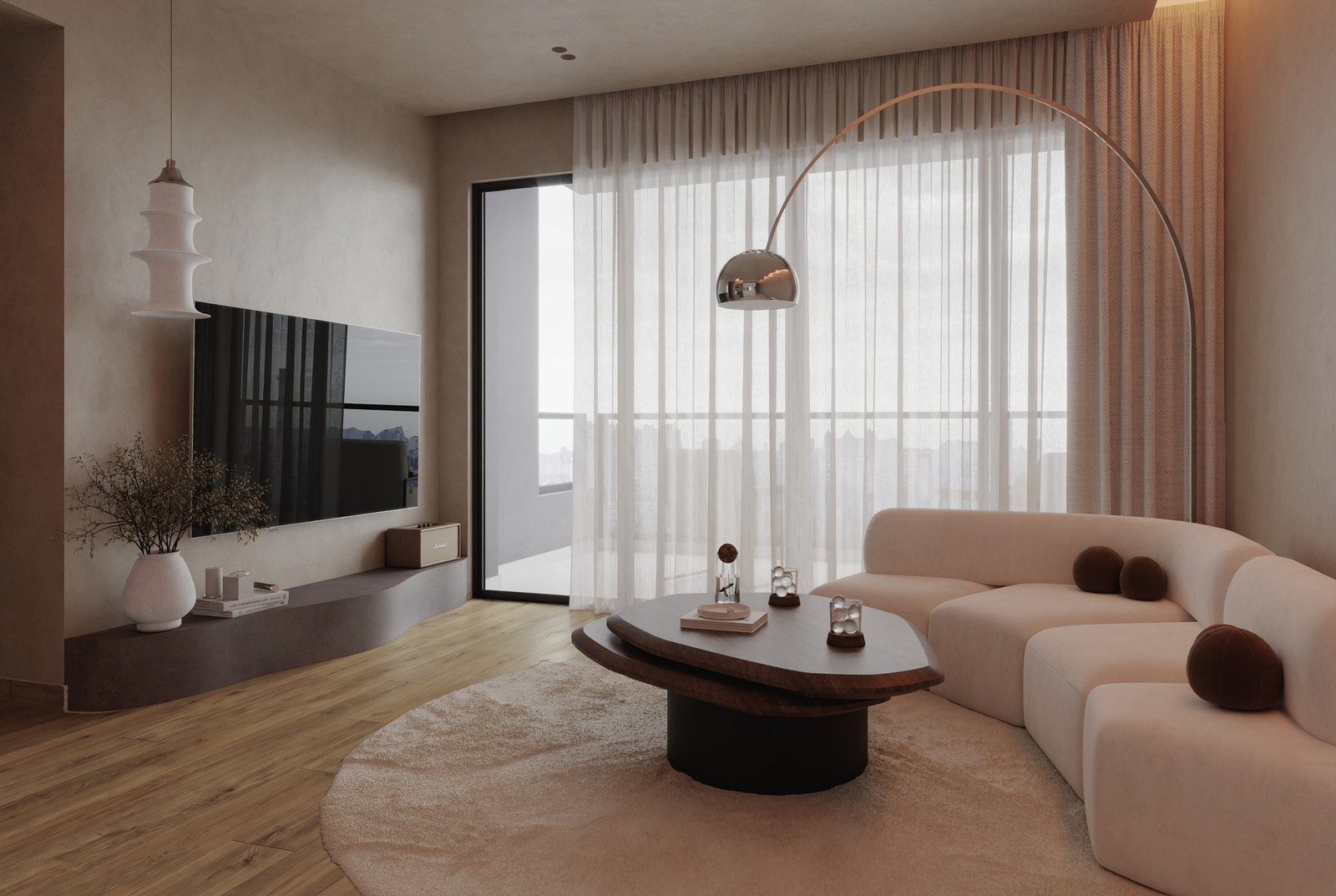
Modern SPC prints with embossed grain read like real timber at arm's length, and unlike tile or stone they stay soft and quiet underfoot. The giveaway of cheap vinyl is an obvious repeat and a flat, plasticky print, which is exactly what Hana Flooring avoids: every design is printed in six patterns, so no two planks land the same and the floor never looks like one board on repeat.
Which should you choose?
Real timber still has a place in dry, climate-controlled, premium interiors where you want the genuine article and will maintain it. For most Singapore homes, from HDB flats and condos to wet areas and rentals, or anyone who just wants a warm wood-look floor that stays put and shrugs off water, SPC vinyl is the lower-fuss, lower-cost, waterproof answer. Planning a wet area in particular? See our guide to the best flooring for an HDB kitchen.
Sources
The factual and market claims on this page are sourced here: