SPC vs WPC: which rigid core suits Singapore?
Shop for vinyl flooring and two sets of initials keep coming up: SPC and WPC. They are the two kinds of rigid-core vinyl, the flat, modern boards that replaced the old bendy sheet vinyl, and on the shop floor they look identical. So it is fair to wonder which one you actually want. The answer comes down to what the core is made of. Here is how SPC and WPC differ, what that means in a Singapore flat, and why every Hana Flooring floor is SPC.
SPC and WPC: two rigid cores in one family
Both SPC and WPC are rigid-core luxury vinyl. They are the newer generation that replaced the old flexible, bendy vinyl you could roll in your hands, and both carry the same realistic wood or stone surface on top of a board that stays flat.
SPC stands for stone-polymer composite. Its core is a dense mineral board, limestone bound with PVC, that is hard and heavy for its thickness.WPC stands for wood-polymer composite. Its core uses wood flour and PVC with a foaming agent, which makes it lighter and a little softer than SPC.So they are not rivals from different worlds. They are two branches of the same rigid-core family, split only by what fills the middle layer. The flooring industry treats both as rigid-core vinyl, distinct from the older flexible kind (see the Resilient Floor Covering Institute, and the Multilayer Modular Flooring Association, which classifies rigid multilayer floors by their core).
The one difference that matters: the core
Every rigid-core plank is a stack of layers: a clear wear layer on top, a printed décor layer for the wood or stone look, and a rigid core underneath that holds it all flat. The surface can be identical between an SPC and a WPC plank. The core is where they part ways.
An SPC core is a dense stone-polymer board. A WPC core is the same idea built lighter, foamed with wood-polymer so it has more cushion. That single swap is the whole story: the denser SPC core is harder and more stable, while the lighter WPC core is a touch softer to stand on. Hover a layer above to see what each one does.
What each core changes in a Singapore home
On the shop floor the two feel almost the same. In a Singapore flat, the density of the core quietly decides how the floor behaves.
- It holds its shape in the heat. Singapore runs humid and hot all year, near 82% humidity on average and above 90% most mornings (per the Meteorological Service Singapore). A floor stays stable across the whole room, but the hardest test is a spot that takes direct sun, like the strip by a balcony door, which heats up through the day. There the denser SPC core moves least; a lighter foamed WPC core can shift a little more.
- It resists dents under heavy furniture. A dense SPC core takes the concentrated weight of a sofa leg or a fridge without marking as readily. A softer WPC core gives a little more under a point load.
- It sits lower at the doorway. Because SPC is dense, it reaches its strength in a thinner board, so the step up onto it and the transition into a tiled kitchen or bathroom stay slim. WPC is usually thicker to match the same rigidity.
- WPC trades some of that for cushion. The lighter core is a touch softer and quieter to walk on, which some people prefer in a bedroom. It is a real comfort, weighed against a little less stability in the heat.
Neither core makes a bad floor. In a climate this warm and this humid, though, the denser, more stable SPC core is the lower-fuss choice for most homes here.
SPC and WPC, side by side
| SPC (Hana) | WPC | |
|---|---|---|
| Core | Stone-polymer composite: limestone bound with PVC. Dense and solid. | Wood-polymer composite: wood flour and PVC, foamed lighter. |
| Feel underfoot | Firm and quiet, with a little give. | A touch softer, with more cushion. |
| In heat & humidity | The denser core moves less, so it holds its shape by sunny windows. | The lighter foamed core can move a little more where a floor takes real sun. |
| Under heavy furniture | The dense core resists dents from concentrated loads. | The softer core marks more easily under a point load. |
| Thickness | Thinner for the same strength, so it sits lower at a doorway. | Usually thicker to reach the same rigidity. |
| Over existing tiles | Rigid and flat; lays over sound, level tiles without telegraphing them. | Also rigid, but the softer core follows a firm bump a little more. |
Where Hana sits: all rigid SPC
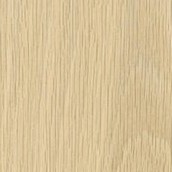
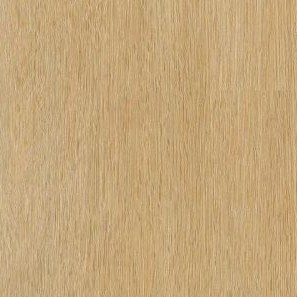
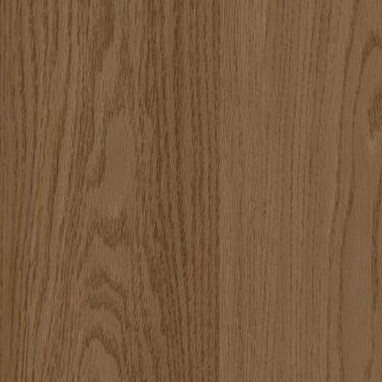
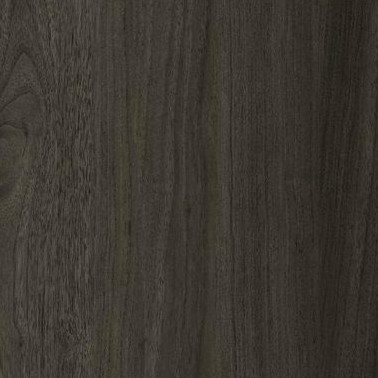
To be straight with you, every floor in Hana's current range is rigid SPC, not WPC. The wood-look Oak and Walnut planks, the Heritage Herringbone, and the micro-cement stone tiles all sit on the same dense, waterproof stone-polymer core. We chose SPC for exactly the reasons above, because a denser core stays flatter in this heat and humidity and lays over the tiled floors most homes here already have.
The wood-look planks click together glue-free, so they install quickly and cleanly, and a single plank can be lifted out and swapped if it is ever damaged, without disturbing the rest. The large micro-cement tiles are the exception: the same rigid SPC core, but glued down for their size, not because the core needs it.
So when you compare a Hana floor against a WPC elsewhere, you are really comparing a dense stone core against a lighter foamed one. If you are still sorting out the names, SPC vs LVT explains where rigid core fits within luxury vinyl; and if you are weighing vinyl against real wood, see SPC vs real timber in Singapore humidity.