The floor for a Japandi home in Singapore
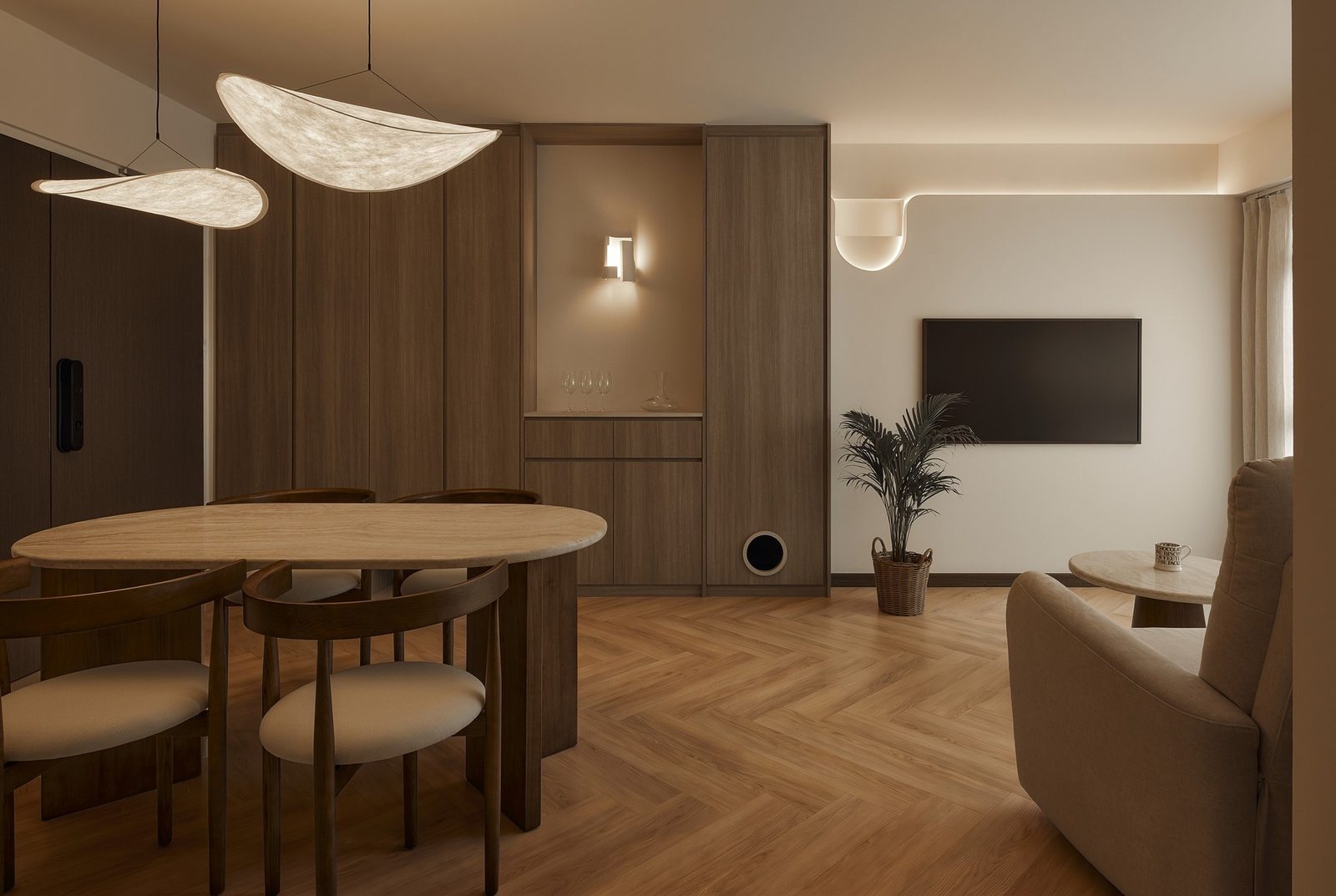
Japandi is the calm, natural look Singapore homes keep reaching for: Japanese restraint met with Scandinavian warmth, in muted tones and honest materials. It lives or dies on the floor. Get a warm, quiet, natural-looking floor down, and the rest of the room falls into place. Here is how to choose one, and which Hana Flooring tones do it best.
What Japandi is, and why the floor carries it
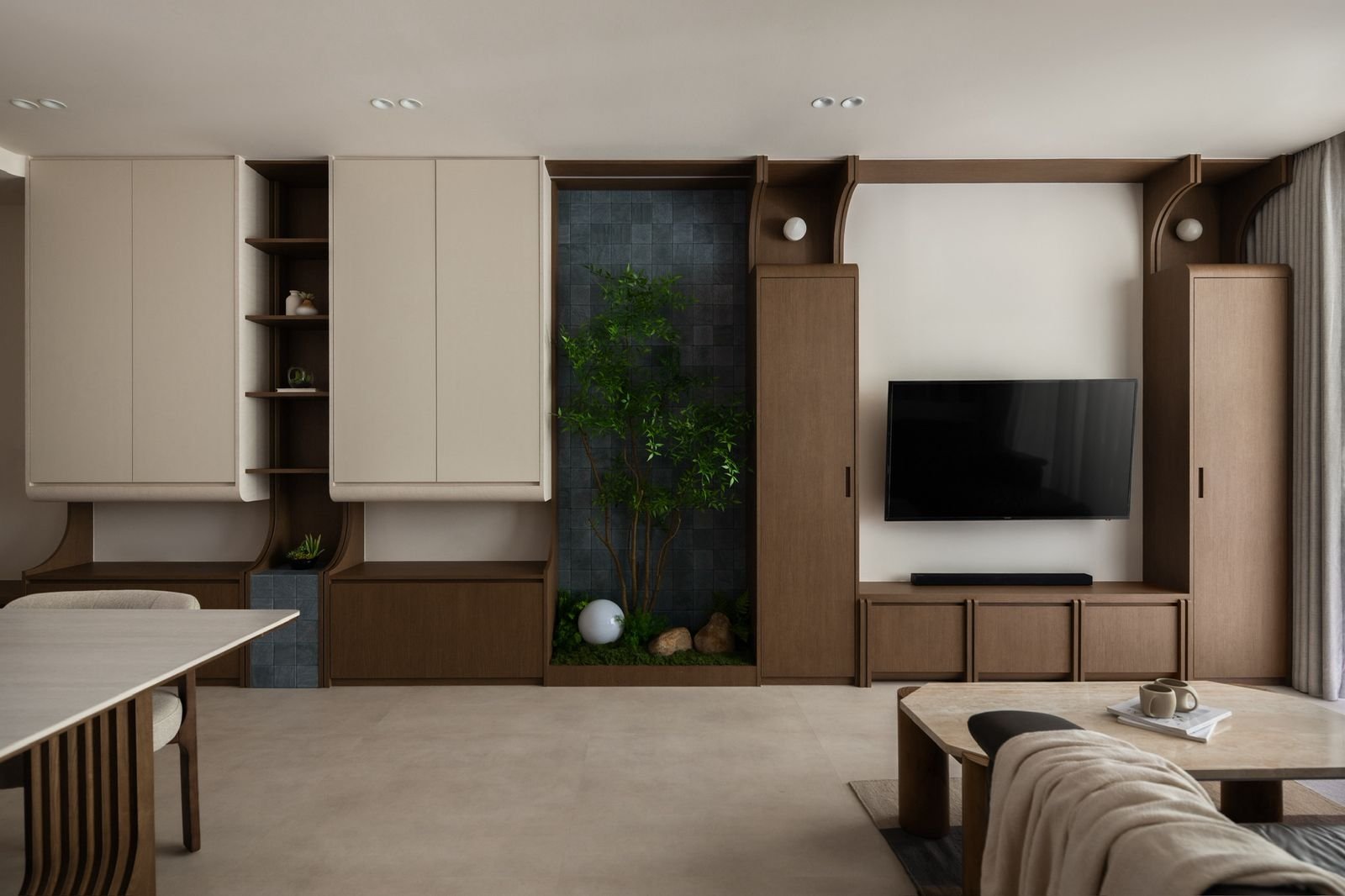
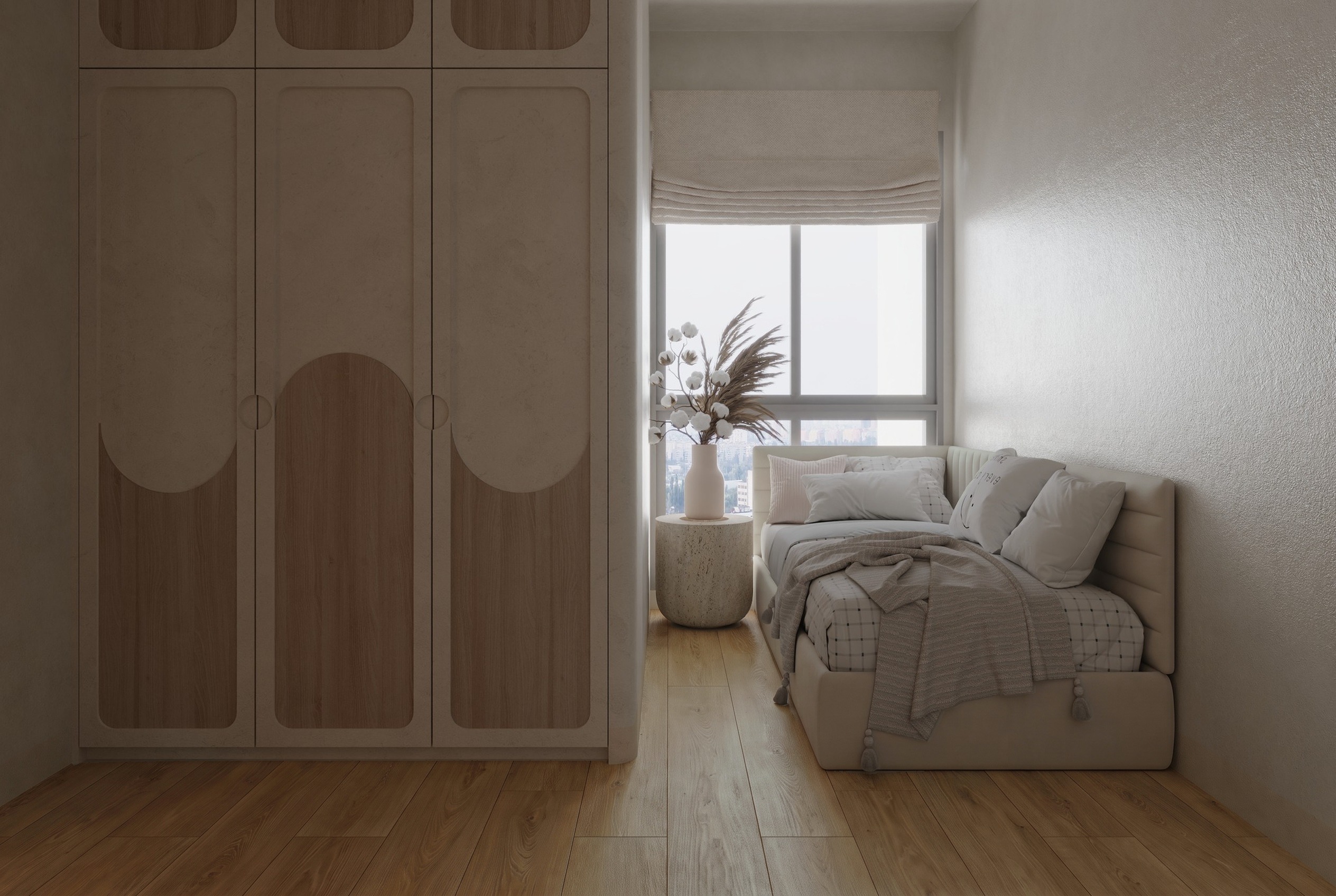
Japandi blends Japanese wabi-sabi restraint with Scandinavian hygge warmth. The result is a muted, uncluttered, natural room: soft neutral walls, one honest wood, natural fabrics, and very little noise.
It is one of the styles now leading Singapore home design (Swiss Interior), and it suits compact HDB flats and condos, where a calm, continuous look makes a small space feel larger.
The floor is the biggest single surface in the room, so it does most of the work. A warm, quiet, natural-looking floor sets the whole mood; a glossy, orange or cold one fights it, no matter what sits on top.
The Japandi floor: warm, natural oak
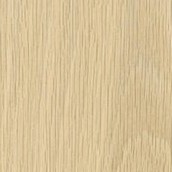
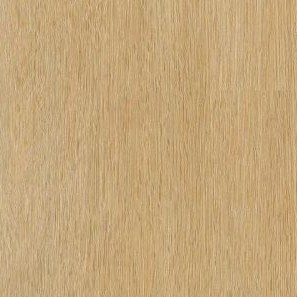
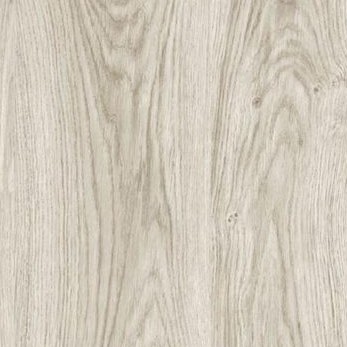
Japandi wants wood that reads real and calm, not high-gloss or yellow. Hana Flooring's Oak collection runs from the pale, airy Ethereal and whitewashed Cloud to the warmer, honeyed Sierra, all with a matte, wood-etched grain that looks like natural timber up close.
These planks are SPC (stone polymer composite): a rigid, 100% waterproof core under that wood look. The wood-look planks click together over your existing floor, so you get the warm-timber feel with none of real wood's cupping and gapping in Singapore's humidity. If you are weighing the two, see SPC vs real timber.
Or a calm micro-cement, for the pared-back version
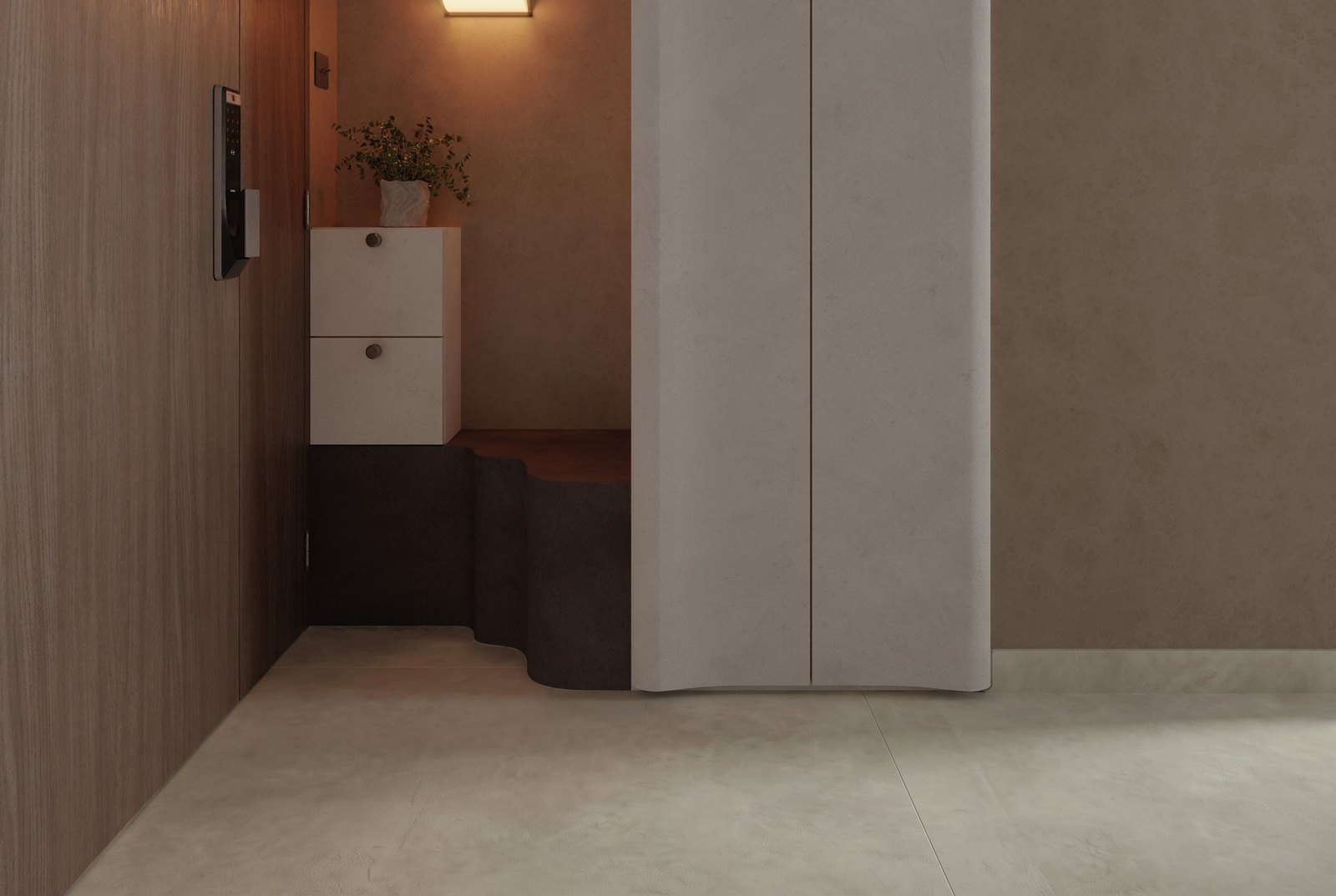
For the more minimal, stone-leaning end of Japandi, the micro-cement tones Mist and Dune give a soft, seamless, poured-stone floor with no grain and no grid. That visual quiet makes a compact flat feel open and restful.
The micro-cement tiles share the same rigid SPC core as the planks, but because they are large, 914 mm square, they are glued down rather than clicked, laid as one continuous surface. See how the stone tiles are laid.
Pulling the whole Japandi look together
Keep the palette muted, beige, taupe and warm grey, and let texture and light do the work rather than colour. Pair the floor with one honest wood, natural linen or cotton, and a little greenery.
Run a single floor tone across the whole home so it reads calm and continuous instead of chopped into zones. For the full styling walk-through see the warm-minimalist micro-cement look, or try a tone in your own room with the flooring visualiser.