Vinyl flooring wear layers, and how durable it really is
Every floor looks good on day one. What matters is how it looks after a few years of shoes, chairs and daily life. Here is what actually decides how long a Hana Flooring SPC vinyl floor lasts, and the one number to look at when you compare one floor with another.
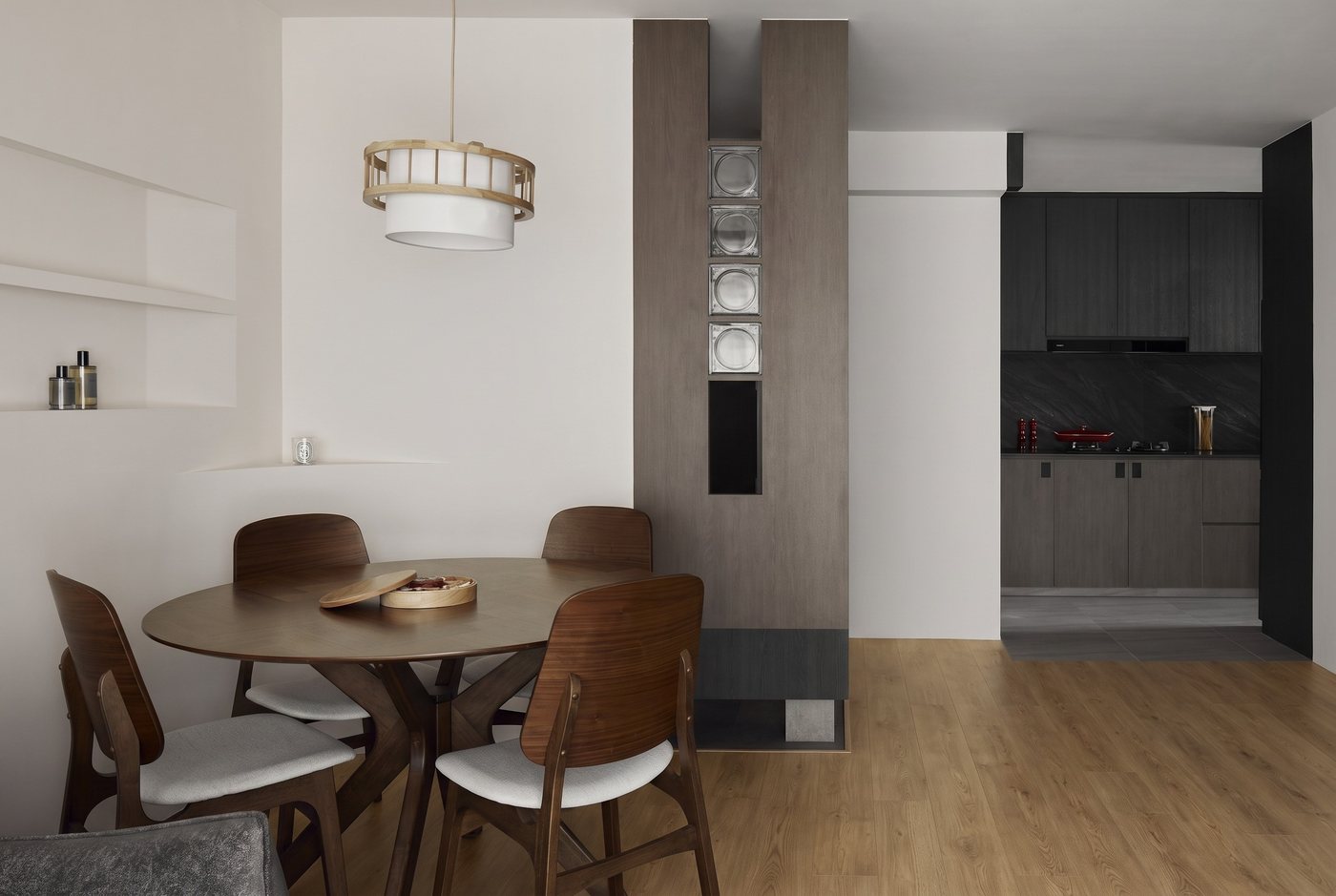
How durable is vinyl flooring?
For everyday home life, very. A quality Hana Flooring SPC (stone polymer composite) vinyl floor is built to take years of foot traffic, dropped toys and dragged chairs without showing its age, which is why the same product is rated for shops and offices, not just homes. The honest part: no floor is scratch-proof, and how long any floor lasts comes down mostly to one layer, and partly to how you treat it.
What the wear layer is, and why it is the number that matters
A vinyl plank is built in layers. Reading down from the surface, there is a UV-cured coating, then the clear wear layer, then the printed wood or stone décor, then the rigid core and a stabilising backing. Everything you actually walk on is that clear wear layer: it is the shield that takes the scuffs and grit and keeps the print underneath looking new.
It is measured in millimetres. That single figure, more than the overall plank thickness, is what tells you how hard-wearing a vinyl floor is. Hana’s wear layer is 0.5 mm, and our catalogue rates it as suitable for commercial use, not just residential.
How thick a wear layer do you actually need?
You do not always need the thickest option; you need the right one for the room. As a rough industry guide:
- Around 0.3 mm suits light home use, such as a quiet bedroom.
- 0.3 to 0.5 mm covers an active family home and light commercial spaces.
- 0.5 mm and up is the commercial band, for shops, offices and the busiest homes.
Hana’s 0.5 mm wear layer sits right at that commercial threshold, so a Hana floor is over-specified for a normal home, and comfortable in a busy one with children or pets. The wider point that trade bodies like the MMFA make is to match the wear layer and use-class to the traffic, rather than chase overall thickness alone.
Plank thickness or wear layer: which number matters?
An SPC plank has two thickness figures, and it is easy to mix them up. Hana’s wood planks are quoted as 5.0/0.5 mm: the first number is the total plank thickness, the second is the wear layer on top.
They do different jobs. The overall thickness is about how solid and stable the plank feels underfoot and how well it sits over small unevenness in the floor below. The wear layer is the part that actually protects the surface, so it is the figure that tells you how hard-wearing the floor will be.
That is the catch to watch when you compare floors: a thicker plank with a thin wear layer is not the more durable buy. Look past the headline plank thickness to the wear layer underneath, which on every Hana plank is that commercial-grade 0.5 mm.
Durability is more than one layer
The wear layer does the heavy lifting, but the rest of the build matters too. On a Hana plank the UV-cured top coat adds scratch and stain resistance, a fibreglass layer and a 100% virgin-material core keep the board stable, and a moisture-resistant backing protects it from below.
And then there is you. The quickest way to age any floor is grit underfoot and hard furniture dragged across it, so felt pads under chair and table legs and a mat at the door do more for a floor’s life than a fatter plank ever will. Keeping it clean is the other half; our guide on how to clean a vinyl floor covers the simple routine that keeps the wear layer doing its job.
Sources
The factual and market claims on this page are sourced here: